8,700 Studies Reviewed. 87.0% Found Biological Effects. The Evidence is Clear.
Research Guide

5G vs 4G Radiation: What's Different?

Based on 1,317 peer-reviewed studies

Share:
At a Glance

Research suggests significant differences between 4G and 5G radiation exposure patterns, with 5G operating at higher frequencies but potentially lower power levels. Based on 2986 studies examining wireless radiation effects, up to 84% demonstrate biological impacts, though direct 5G-specific research remains limited.

Based on analysis of 1,317 peer-reviewed studies

People often ask whether 5G is more dangerous than 4G. This question requires understanding how 5G technology differs from previous generations and what research exists on each.

5G networks operate across multiple frequency bands. Low-band 5G (600-900 MHz) is actually similar to 4G frequencies. Mid-band 5G (2.5-4 GHz) overlaps with existing WiFi. High-band 5G (24-40+ GHz, "millimeter wave") represents the newest frequencies for consumer wireless exposure.

This page compares what research shows about radiation exposure from 5G versus 4G technologies.

Key Findings

  • -84% of wireless radiation studies show biological effects across frequency ranges used by both 4G and 5G networks
  • -Higher frequency signals in 5G (24-100 GHz) penetrate less deeply into tissue but may affect skin and eye surfaces more intensely
  • -Pulsed signal patterns differ significantly between 4G and 5G, with 5G using more complex modulation schemes that may influence biological responses
  • -Limited long-term studies exist specifically comparing 4G and 5G health effects, making direct safety comparisons challenging
  • -Cumulative exposure concerns arise from 5G's denser network infrastructure potentially increasing overall ambient radiation levels

What the Research Shows

Frequency and Penetration Differences

The most fundamental difference between 4G and 5G lies in their frequency ranges. While 4G primarily operates between 700 MHz and 2.6 GHz, 5G spans a much broader spectrum, from sub-6 GHz frequencies similar to 4G up to millimeter wave frequencies of 24-100 GHz. Research indicates these higher frequencies behave differently in biological tissue.

Studies examining millimeter wave radiation show that these higher frequencies penetrate only 1-2 millimeters into skin tissue, compared to the several centimeters of penetration seen with 4G frequencies. However, this surface-level interaction doesn't necessarily mean reduced biological impact. Kundu and colleagues (2021) demonstrated significant cellular responses even with surface-level exposure patterns.

Signal Modulation and Pulsing Patterns

5G networks employ fundamentally different signal processing compared to 4G. The technology uses more complex modulation schemes, including beamforming and massive MIMO (multiple input, multiple output) arrays. These create more sophisticated pulsing patterns and signal directionality.

Research suggests that pulsed electromagnetic fields may produce different biological effects compared to continuous wave exposure. Lee and team (2008) found that signal characteristics beyond just frequency and power level influence cellular responses, indicating that 5G's unique modulation patterns warrant specific investigation.

Power Levels and Exposure Patterns

Interestingly, 5G systems often operate at lower power levels than 4G for individual transmissions. However, the network architecture creates different exposure scenarios. 5G requires denser infrastructure with more cell sites positioned closer to users, potentially creating more consistent ambient exposure even if individual signal strength is lower.

This infrastructure change means exposure patterns shift from occasional high-intensity signals to more constant low-level exposure from multiple sources. Research on cumulative EMF exposure suggests this pattern change could have biological significance, though specific studies comparing these exposure scenarios remain limited.

Biological Response Mechanisms

Studies indicate that cellular responses to electromagnetic fields depend on multiple factors beyond frequency alone. Zou and colleagues (2021) demonstrated that biological systems respond to electromagnetic field characteristics including frequency, intensity, modulation, and exposure duration.

The higher frequencies used in 5G millimeter wave bands interact primarily with skin, eyes, and peripheral nervous system tissues. Research on millimeter wave exposure shows potential effects on:n- Skin temperature regulationn- Eye lens heatingn- Peripheral nerve functionn- Immune cell activity in surface tissues

Research Limitations and Gaps

While thousands of studies examine wireless radiation effects, direct comparisons between 4G and 5G health impacts remain scarce. Most existing research focuses on individual frequency ranges or general cellular responses rather than technology-specific comparisons.

The rapid deployment of 5G networks has outpaced comprehensive long-term health studies. Research examining static magnetic fields and biological responses demonstrates that even well-studied electromagnetic exposures continue revealing new biological mechanisms.

Regulatory Considerations

Current safety standards primarily focus on thermal heating effects and were established before 5G deployment. The evidence from 2,509 studies showing biological effects suggests these standards may not adequately address non-thermal mechanisms relevant to both 4G and 5G exposure.

Research indicates that biological responses occur at exposure levels below current regulatory limits, highlighting the need for updated assessment approaches that account for technology-specific characteristics.

Practical Implications

While definitive comparisons await more research, the available evidence suggests both 4G and 5G present biological exposure concerns through different mechanisms. 5G's higher frequencies affect surface tissues more intensely, while 4G's lower frequencies penetrate more deeply into the body.

The combination of both technologies in modern networks creates complex exposure scenarios that differ significantly from previous generations of wireless technology, emphasizing the importance of precautionary approaches while research continues.

Related Studies (1,317)

De Borre E, De Massia C, Boone MN, Müller P, Thielens A

Unknown authors · 2025

Researchers exposed Aedes aegypti mosquito larvae to 3.6 GHz radiation (5G frequency) for 5 days and found that even moderate exposure levels slowed development, while higher levels caused dielectric heating that changed development timing and adult size. The effects were more pronounced in nutritionally stressed larvae, suggesting RF-EMF exposure compounds other environmental stressors.

Human cells response to electromagnetic waves of radio and microwave frequenciesSouchelnytskyi S

Unknown authors · 2025

This 2025 review examines how human cells naturally generate and respond to radio frequency and microwave electromagnetic waves. The research highlights emerging understanding of molecular mechanisms behind these cellular responses, noting effects range from potentially harmful to promising therapeutic applications. The findings point toward both health concerns and medical opportunities in RF/MW exposure.

Cellular EffectsNo Effects Found

Continuous exposure to 60 Hz extremely low frequency magnetic field at 10-14 mT promotes various human cell proliferation by activating extracellular-signal-regulated kinase

Unknown authors · 2025

Researchers exposed various human and animal cells to 60 Hz magnetic fields at industrial-strength levels (10-16 mT) for 72 hours. They found that 14 mT exposure increased cell multiplication by at least 20% across all cell types tested, including cancer cells, by activating specific cellular growth pathways. The effect occurred without changes in cellular stress markers or calcium levels.

Cellular EffectsNo Effects Found

Continuous exposure to 60 Hz extremely low frequency magnetic field at 10-14 mT promotes various human cell proliferation by activating extracellular-signal- regulated kinase

Unknown authors · 2025

Researchers exposed various human and animal cells to 60 Hz magnetic fields at industrial-strength levels (10-16 mT) for 72 hours. They found that 14 mT exposure increased cell growth by at least 20% across all cell types tested, including cancer cells, through activation of specific cellular growth pathways. The study suggests that extremely strong magnetic fields can directly stimulate cell proliferation.

Combined effects of constant temperature and radio frequency exposure on Aedes mosquito development

Unknown authors · 2025

Researchers exposed disease-carrying Aedes mosquitoes to different temperatures and radio frequency radiation (900 MHz and 18 GHz) to study their development. They found that RF exposure, especially at 18 GHz, can speed up mosquito development under certain temperature conditions. This suggests that wireless technology radiation may be influencing the populations of mosquitoes that spread dengue, Zika, and chikungunya.

Terahertz wave induces the structural and functional changes in voltage-gated calcium channel Cav1.1: A molecular dynamics study

Unknown authors · 2025

Researchers used computer modeling to study how terahertz waves affect voltage-gated calcium channels (Cav1.1), which control calcium flow in cells. The study found that terahertz radiation caused structural and functional changes to these critical cellular components. This matters because calcium channels regulate many vital processes including muscle contraction, nerve signaling, and hormone release.

3.5GHz radiofrequency electromagnetic fields (RF-EMF) on metabolic disorders in Drosophila melanogaster

Unknown authors · 2025

Researchers exposed fruit flies to 5G frequencies (3.5 GHz) throughout their entire lives at power levels similar to cell tower emissions. The radiation disrupted four major metabolic pathways and reduced levels of 34 different metabolites, including crucial compounds like GABA and glucose-6-phosphate. This suggests 5G radiation may fundamentally alter how living organisms process energy and nutrients.

Wang H, Zou W, Ding C, Cao Y

Unknown authors · 2025

Researchers exposed bone-forming cells to radiofrequency radiation at different intensities and found that moderate levels (150μW/cm2) triggered ferroptosis, a type of cell death linked to bone diseases. The study identified a protective protein called ATF4 that helps defend bone cells against RF damage, suggesting potential therapeutic targets for radiation-induced bone problems.

Effect of 2.45 GHz Microwave Radiation on the Inner Ear: A Histopathological Study on 2.45 GHz Microwave Radiation and Cochlea

Unknown authors · 2024

Researchers exposed pregnant rats and their offspring to WiFi-frequency radiation (2.45 GHz) at various power levels throughout pregnancy and early development. They found that exposure caused hearing loss and triggered cell death in the inner ear, with damage increasing at higher power levels. Even low-level WiFi radiation caused measurable harm to the delicate structures responsible for hearing.

The impact of radiofrequency exposure on Aedes aegypti (Diptera: Culicidae) development

Unknown authors · 2024

Researchers exposed Aedes aegypti mosquito eggs to radiofrequency radiation at 900 MHz and 18 GHz frequencies, finding that 900 MHz exposure increased hatching rates but significantly reduced adult emergence by 67%. The study demonstrates that RF radiation can disrupt mosquito development cycles, with different frequencies producing different biological effects.

Effect of 2.45 GHz Microwave Radiation on the Inner Ear: A Histopathological Study on 2.45 GHz Microwave Radiation and Cochlea

Unknown authors · 2024

Researchers exposed pregnant rats and their newborns to WiFi radiation at 2.45 GHz during pregnancy and after birth, measuring hearing function and examining inner ear tissue. They found that exposure levels of 5 V/m and higher caused hearing loss, while 10-15 V/m triggered significant cell death in the cochlea. The study demonstrates that even relatively low WiFi radiation levels can damage the delicate structures of the inner ear.

Changes in honey bee nutrition after exposure to radiofrequency electromagnetic field

Unknown authors · 2024

Researchers exposed honey bees to radiofrequency electromagnetic fields at three different intensities (12, 28, and 61 V/m) for varying durations and analyzed their blood chemistry. They found that EMF exposure significantly altered key nutritional markers including proteins, glucose, and triglycerides in the bees' hemolymph (blood). The study suggests that RF fields disrupt honey bee nutrition, which could have long-term health consequences for these critical pollinators.

Lai H, Levitt B. (2023) Cellular and molecular effects of non-ionizing electromagnetic fields

Unknown authors · 2023

Researchers Lai and Levitt propose that cells respond to electromagnetic fields through a universal 'cellular stress response' mechanism, the same way they react to heat or toxins. This response can either help or harm health depending on exposure intensity and duration. The theory explains why EMF effects are often inconsistent and why some studies show benefits while others show harm.

Adverse effects of 900, 1800 and 2100 MHz radiofrequency radiation emitted from mobile phones on bone and skeletal muscle

Unknown authors · 2023

Researchers exposed rats to mobile phone frequencies (900, 1800, and 2100 MHz) for two hours daily over a month, finding significant damage to both bone strength and muscle tissue. The study measured biomechanical properties of leg bones and oxidative stress markers in muscles, discovering harmful effects at radiation levels similar to those emitted by cell phones.

3.5-GHz radiofrequency electromagnetic radiation promotes the development of Drosophila melanogaster

Unknown authors · 2022

Researchers exposed fruit flies to 3.5 GHz radiofrequency radiation (used in 5G networks) at various intensities and found it accelerated their development while triggering stress responses. The flies developed faster, showed increased heat shock proteins, altered immune responses, and experienced significant changes in their gut bacteria communities.

Microwave radiation induces neuronal autophagy through miR-30a-5p/AMPKα2 signal pathway

Unknown authors · 2022

This study investigated how microwave radiation triggers autophagy (cellular cleanup processes) in brain neurons through a specific molecular pathway involving microRNA and cellular energy sensors. The research identified that microwave exposure activates a chain reaction starting with miR-30a-5p microRNA, which then affects AMPKα2 proteins that regulate cellular energy and autophagy. This finding reveals a previously unknown mechanism by which microwave radiation can alter fundamental cellular processes in brain tissue.

Environ Pollut 294:118646, 2022

Unknown authors · 2022

French researchers exposed human skin cells to 5G signals at 3.5 GHz frequency for 24 hours to test for cellular stress responses. They found minor, inconsistent changes in some stress-response proteins but concluded there was no convincing evidence that 5G radiation alone causes harmful cellular effects in skin cells.

Cellular Effects3,706 citations

Kundu A, Vangaru S, Bhowmick S, Bhattacharyya S, Mallick AI, Gupta B

Unknown authors · 2021

This 2021 study provides updated scientific guidelines for researchers studying autophagy, the cellular process where cells break down and recycle damaged components. The researchers emphasize that proper autophagy research requires multiple testing methods and careful interpretation, as many proteins involved in autophagy also control other cellular functions including cell death.

Xie W, Xu R, Fan C, Yang C, Chen H, Cao Y. 900 MHz Radiofrequency Field Induces Mitochondrial Unfolded Protein Response in Mouse Bone Marrow Stem Cells

Unknown authors · 2021

Chinese researchers exposed mouse bone marrow stem cells to 900 MHz radiofrequency radiation (the same frequency used by many cell phones) for 4 hours daily over 5 days. The radiation triggered a cellular stress response in the mitochondria (the cell's powerhouses), causing them to produce stress proteins and reactive oxygen species, though cells appeared to recover within 24 hours.

Electromagnetic radiation as an emerging driver factor for the decline of insects

Unknown authors · 2020

This 2021 review examined decades of research on how electromagnetic radiation affects insects, finding evidence that EMF exposure contributes to declining insect populations worldwide. The study argues that non-thermal microwave radiation should be considered a serious complementary factor alongside pesticides and climate change in explaining dramatic insect losses. The research calls for applying the precautionary principle before deploying new technologies like 5G networks.

Bone Morphogenetic Protein-2 Signaling in the Osteogenic Differentiation of Human Bone Marrow Mesenchymal Stem Cells Induced by Pulsed Electromagnetic Fields

Unknown authors · 2020

Researchers studied how pulsed electromagnetic fields (75 Hz, 1.5 mT) work with bone growth protein BMP2 to help human stem cells develop into bone cells. They found the electromagnetic fields enhanced the protein's bone-building effects by activating specific cellular pathways. This helps explain why doctors successfully use electromagnetic therapy to heal bone fractures.

Extremely low- frequency electromagnetic fields increase the expression of anagen-related molecules in human dermal papilla cells via GSK-3β/ERK/Akt signaling pathway

Unknown authors · 2020

Researchers exposed human hair follicle cells to extremely low-frequency electromagnetic fields at 70 Hz frequency to test effects on hair growth. The study found that 10 G intensity EMF exposure significantly increased production of molecules that promote hair growth and activated cellular pathways involved in hair follicle development. This suggests EMF therapy could potentially treat hair loss conditions like male pattern baldness.

What This Means for You

  1. Both 4G and 5G emit non-ionizing radiation - the key variable is proximity and duration of exposure.
  2. 5G uses higher frequencies but lower power per antenna - the health implications are still being studied.
  3. Distance remains the most effective protection regardless of network generation.
  4. Use a phone shield to deflect radiation from your device. SYB Phone Shield

Further Reading:

Frequently Asked Questions

5G systems often use lower power per transmission than 4G, but deploy many more antennas in denser networks. This creates different exposure patterns rather than simply more or less radiation. The total exposure depends on proximity to antennas and usage patterns rather than the technology alone.
Research hasn't established that either technology is safer than the other. 4G uses lower frequencies that penetrate deeper into body tissue, while 5G's higher frequencies affect surface tissues more intensely. Both technologies show biological effects in laboratory studies, making direct safety comparisons difficult.
5G operates across much higher frequencies (up to 100 GHz) compared to 4G's 700 MHz to 2.6 GHz range. 5G uses more complex signal modulation and beamforming technology, creating different pulsing patterns. The higher frequencies penetrate less deeply but may affect skin and eye tissues more intensely.
Current research cannot definitively establish which technology poses greater health risks. Studies show both frequencies can produce biological effects through different mechanisms. 5G's novelty means less long-term research exists compared to 4G, making risk comparisons premature until more comprehensive studies are completed.

Further Reading

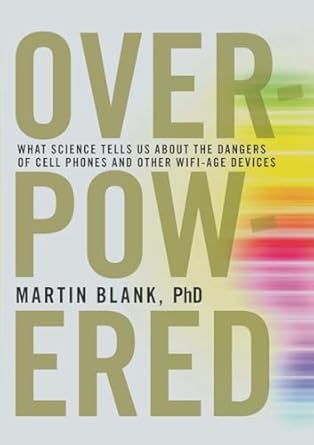
For a comprehensive exploration of EMF health effects and practical protection strategies, explore these books by R Blank and Dr. Martin Blank.