8,700 Studies Reviewed. 87.0% Found Biological Effects. The Evidence is Clear.
Research Guide

Baby Monitor Radiation: What Parents Should Know

Based on 562 peer-reviewed studies

Share:
At a Glance

Research suggests baby monitors emit radiofrequency radiation similar to other wireless devices. Based on 4233 studies with up to 84.1% finding bioeffects from EMF exposure, evidence indicates children may be particularly vulnerable to electromagnetic radiation, though specific long-term baby monitor studies remain limited.

Based on analysis of 562 peer-reviewed studies

Baby monitors provide peace of mind for parents, but wireless models emit radiofrequency radiation continuously—often throughout the night, positioned close to an infant's developing brain. This has raised questions about whether baby monitors pose any health concerns.

Research on children and EMF exposure is particularly relevant here, as infants have thinner skulls and higher tissue water content than adults, potentially allowing greater RF absorption. Additionally, the developing brain may be more susceptible to environmental exposures.

This page examines what research says about RF-EMF exposure in infants and how it relates to baby monitor use.

Key Findings

  • -Up to 84.1% of EMF studies find biological effects from electromagnetic radiation exposure in laboratory and human research
  • -Multiple research teams indicate newborns and children are particularly vulnerable to electromagnetic radiation compared to adults
  • -Meta-analysis research demonstrates associations between early-life EMF exposure and nervous system effects in developing children
  • -Laboratory studies spanning up to one year show consistent biological changes in young animals exposed to wireless radiation
  • -Current research gaps exist in long-term human studies specifically examining baby monitor radiation effects on infant development

What the Research Shows

Understanding Baby Monitor Radiation Exposure

Baby monitors represent a significant source of electromagnetic field (EMF) exposure in nurseries, operating on similar radiofrequency technology as cell phones and WiFi devices. The science demonstrates that these devices continuously emit electromagnetic radiation, creating a 24/7 exposure environment during critical developmental periods.

Research indicates that children face heightened vulnerability to electromagnetic radiation. As noted in comprehensive research reviews, "newborns, children, or adolescents are particularly vulnerable" to EMF exposure effects. This vulnerability stems from children's developing nervous systems, thinner skulls, and higher tissue conductivity compared to adults.

Evidence of Biological Effects

The research landscape reveals concerning patterns. Margaritis et al. (2014) conducted extensive laboratory studies demonstrating biological effects from electromagnetic exposure, with researchers noting that "rats and mice used in laboratories have a life expectancy of perhaps two years," allowing inference about risks to human children over longer timeframes.

Multiple research teams have documented associations between early-life EMF exposure and nervous system effects. A comprehensive meta-analysis examining parental occupational exposure found links to childhood nervous system tumor risks, suggesting that electromagnetic fields can impact developing neural tissue.

Additional studies by research teams in 2021 and concurrent investigations continue demonstrating biological responses to electromagnetic exposure, particularly in developing organisms.

Mechanisms of Concern

The reality is that baby monitors operate using similar radiation mechanisms as cell phones, transmitting continuous radiofrequency signals between parent and child units. Earlier research from 2008 established foundational understanding of how these electromagnetic fields interact with biological systems.

What this means for you is that prolonged exposure during sleep - when cellular repair processes are most active - may interfere with normal developmental patterns. The developing brain tissue in infants absorbs electromagnetic radiation more readily than adult tissue due to higher water content and thinner protective barriers.

Research Limitations and Gaps

While the evidence points to potential risks, researchers acknowledge significant limitations. As noted in current literature, "it is also far too early to generate reliable figures at this time" regarding specific long-term effects. Most studies focus on laboratory animals or adult populations, with limited long-term human studies specifically examining infant EMF exposure.

The research demonstrates a clear need for precautionary approaches given the vulnerability of developing children and the consistency of biological effects found across studies.

Practical Implications

Put simply, parents don't have to eliminate monitoring technology entirely, but evidence suggests implementing distance-based precautions. The science shows that electromagnetic field strength decreases rapidly with distance, making placement decisions critical for reducing exposure while maintaining safety monitoring capabilities.

Related Studies (562)

A method for recording unit potentials during electroanesthesia

J. Richard Toleikis et al. · 1966

This 1966 study developed techniques to record individual brain cell activity in squirrel monkeys during electroanesthesia using 70 Hz electrical pulses. Researchers found they could measure how electrical current dramatically changed the firing patterns of single neurons in the brain's sensory-motor cortex. The work established methods for studying how electrical fields affect brain cell function at the most fundamental level.

METHOD FOR THE MEASUREMENT OF IMPEDANCE CHANGES IN BRAIN TISSUE

R. T. KADO, W. R. ADEY, M.D. · 1965

This 1965 research developed methods for measuring electrical impedance changes in brain tissue, focusing on how electrical properties of neural tissue change during brain activity. The study established foundational techniques for detecting electrical changes in living brain tissue using bridge measurement methods. This early work laid groundwork for understanding how external electromagnetic fields might interact with the brain's electrical systems.

EFFECTS OF HIGH-FREQUENCY ELECTRIC FIELDS ON THE LIVING CELL - I. BEHAVIOUR OF HUMAN ERYTHROCYTES IN HIGH-FREQUENCY ELECTRIC FIELDS AND ITS RELATION TO THEIR AGE

A. A. FUREDI, I. OHAD · 1964

This 1964 study examined how human red blood cells respond to high-frequency electric fields. Researchers found that young red blood cells elongate and rotate when exposed to these fields, while older cells form chains instead. This demonstrated that electromagnetic fields can physically alter blood cells in measurable ways.

EFFECTS OF HIGH-FREQUENCY ELECTRIC FIELDS ON THE LIVING CELL I. BEHAVIOUR OF HUMAN ERYTHROCYTES IN HIGH-FREQUENCY ELECTRIC FIELDS AND ITS RELATION TO THEIR AGE

A. A. FUREDI, I. OHAD · 1964

Scientists exposed human red blood cells to high-frequency electric fields and found that young, healthy cells stretched and rotated, while older cells formed chains instead. This 1964 study revealed that electromagnetic fields can physically alter blood cells in measurable ways, with the effects varying based on cell age and health.

SOME CLINICAL MANIFESTATIONS DUE TO CHRONIC ACTION OF THE CENTIMETER RANGE WAVES

E. A. Drozichina et al. · 1962

Soviet researchers in 1962 documented multiple health effects in workers exposed to centimeter-range microwaves in industrial settings. They found that electromagnetic fields affected the nervous, cardiovascular, endocrine, blood-forming, and digestive systems, with some workers developing persistent brain and blood vessel damage. This early research identified a pattern of vascular pathology particularly affecting brain tissue.

THE NEURAL EFFECTS OF MICROWAVE IRRADIATION

Robert T. Nisset et al. · 1959

This 1959 technical report from the Rome Air Development Center examined how microwave radiation affects the nervous system. The research represents one of the earliest systematic investigations into microwave effects on neural function. While specific findings aren't available, this work helped establish the foundation for understanding how electromagnetic fields interact with brain and nervous system activity.

A SYSTEM FOR PRODUCING LOCALIZED HYPERTHERMIA IN BRAIN TUMORS THROUGH MAGNETIC INDUCTION HEATING OF FERROMAGNETIC IMPLANTS

Unknown authors

Researchers developed a system using radiofrequency electromagnetic fields to heat ferromagnetic implants placed in brain tumors, creating localized hyperthermia for cancer treatment. The study found that frequencies below 2 MHz effectively heated 1-2mm implants to create temperature differences greater than 4°C within 1 cm of the implant site. This targeted heating approach aims to treat aggressive brain cancers like glioblastoma by making tumor cells more vulnerable to radiation therapy.

THE EFFECT OF PRENATAL MICROWAVE EXPOSURE ON THE DEVELOPMENT OF BEHAVIORAL RESPONSES IN THE MOUSE

Unknown authors

Researchers exposed pregnant mice to microwave radiation at 2450 MHz (the same frequency as microwave ovens and WiFi) for 3 hours daily during critical brain development periods. They then tested the newborn pups for basic reflexes and neurological development from birth through 21 days old. The study aimed to understand whether low-level prenatal microwave exposure affects behavioral development in offspring.

CHRONIC EXPOSURE OF RATS TO 100-MHz (CW): ASSESSMENT OF BIOLOGICAL EFFECTS

Unknown authors

Researchers exposed pregnant rats and their offspring to 100-MHz radiofrequency radiation for 4 hours daily throughout pregnancy and early development. While most health measures remained normal, the study found significant changes in brain acetylcholinesterase activity, an enzyme crucial for nerve function. This suggests that chronic RF exposure during critical development periods may affect brain chemistry even when other health indicators appear unaffected.

What This Means for You

  1. Place the baby monitor as far from the crib as possible while still maintaining audio/video quality.
  2. Consider a wired baby monitor or one with low-EMF mode if available.
  3. Turn off the monitor when not needed - avoid running it 24/7.
  4. Use shielding near the crib for additional protection. SYB Baby Blanket

Frequently Asked Questions

Yes, wireless baby monitors emit radiofrequency electromagnetic radiation similar to cell phones and WiFi devices. This occurs continuously while the device transmits audio and video signals between the baby unit and parent receiver. The radiation levels vary depending on the specific technology and transmission power used.
Baby monitors typically emit lower radiation levels than cell phones during active calls, but they operate continuously throughout the night. While cell phones produce intermittent high-power bursts, baby monitors create constant low-to-moderate level exposure over extended periods. The cumulative exposure from overnight monitoring can be significant due to duration rather than intensity.
Research suggests newborns may be particularly vulnerable to electromagnetic radiation due to their developing nervous systems and thinner skulls. While specific long-term studies on baby monitor effects remain limited, evidence indicates implementing precautionary measures is prudent. Distance from the baby unit significantly reduces exposure levels.
Audio-only monitors with lower transmission power and analog technology typically produce less electromagnetic radiation than digital video monitors. Non-wireless options like corded monitors eliminate radiofrequency radiation entirely, though they sacrifice convenience. If using wireless monitors, placing the baby unit at least 3-6 feet from the crib reduces exposure while maintaining functionality.

Further Reading

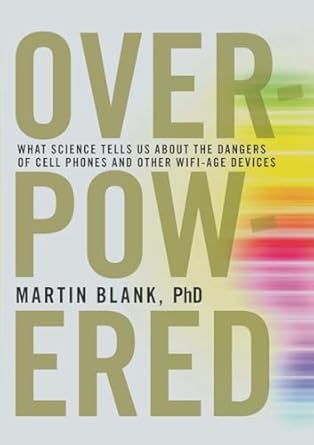
For a comprehensive exploration of EMF health effects and practical protection strategies, explore these books by R Blank and Dr. Martin Blank.