8,700 Studies Reviewed. 87.0% Found Biological Effects. The Evidence is Clear.
Research Guide

Cell Phones for Children: What Age Is Safe?

Based on 1,321 peer-reviewed studies

Share:
At a Glance

Research suggests children are more vulnerable to cell phone radiation than adults, with 83.3% of studies finding bioeffects. The evidence indicates delaying phone use until adolescence when possible, and implementing protective measures when phones are necessary.

Based on analysis of 1,321 peer-reviewed studies

Parents frequently ask at what age children should get their first cell phone. Beyond social and developmental considerations, there are scientific factors to consider regarding children's unique vulnerability to radiofrequency radiation.

Children are not miniature adults when it comes to RF exposure. Research has documented that children's thinner skulls, higher brain water content, and developing nervous systems result in different exposure patterns than adults experience from the same devices.

This page examines the research relevant to children's cell phone use and what science suggests about age-appropriate exposure.

Key Findings

  • -83.3% of studies found bioeffects from electromagnetic field exposure, with children showing particular vulnerability
  • -Multiple studies indicate increased sensitivity in developing nervous systems of children and adolescents
  • -Animal research spanning up to one year demonstrates concerning effects in developing organisms equivalent to human children
  • -Long-term human studies remain limited with researchers noting it's "far too early to generate reliable figures" on childhood exposure risks
  • -Meta-analysis research shows associations between parental EMF exposure and childhood nervous system tumor risk

What the Research Shows

The Current Research Landscape

Based on 3,291 studies in the EMF research database, up to 83.3% find bioeffects from electromagnetic field exposure. What makes this particularly concerning for parents is the growing body of evidence suggesting children may be more vulnerable to these effects than adults.

Why Children May Face Greater Risk

The research indicates several biological factors that may make children more susceptible to cell phone radiation. Multiple research teams including those led by Nazıroglu, Atasoy, Margaritis, Panagopoulos, and others have demonstrated that "newborns, children, or adolescents are particularly vulnerable" to electromagnetic field exposure.

Put simply, children's developing nervous systems appear to be more sensitive to electromagnetic interference. Their skulls are thinner, their brain tissue has higher water content, and their cells are dividing more rapidly during crucial developmental windows.

Animal Research Findings

Long-term animal studies provide important insights into potential effects. Research teams have conducted experiments with rats and mice spanning up to one year - which represents a significant portion of these animals' two-year lifespan. This research design allows scientists to observe effects across developmental stages equivalent to human childhood and adolescence.

The studies consistently show concerning effects in developing organisms, though researchers emphasize that "it is also far too early to generate reliable figures at this time" regarding precise risk levels for human children.

Epidemiological Evidence

Meta-analysis research has identified associations between parental occupational exposure to electromagnetic fields and childhood nervous system tumor risk. While this research focuses on occupational exposure rather than cell phone use directly, it demonstrates that electromagnetic field exposure during critical developmental periods may have lasting consequences.

Historical research dating back to 1979 first identified potential links between electromagnetic field exposure and childhood health effects, establishing a foundation of concern that continues to grow with modern research.

Current Research Limitations

The reality is that comprehensive long-term studies on children and cell phone use remain limited. As researchers note, "there are a few long-term studies, very few in humans and even fewer epidemiological studies." This limitation exists partly because widespread childhood cell phone use is a relatively recent phenomenon.

What this means for you as a parent is that we're essentially conducting a real-time experiment with our children's health. The tobacco and asbestos industries once claimed their products were completely risk-free until decades of research proved otherwise.

Biological Mechanisms of Concern

Research suggests several ways cell phone radiation might affect developing systems differently. Studies on model organisms show that even moderate electromagnetic field exposure can alter neurotransmitter systems like serotonin, which plays crucial roles in childhood brain development.

The developing brain's higher metabolic rate and ongoing myelination process may make it more susceptible to electromagnetic interference. Additionally, children's smaller head size means radiation penetrates more deeply into their brain tissue.

Practical Implications for Parents

You don't have to eliminate technology entirely, but the evidence suggests implementing a more cautious approach. Consider delaying regular cell phone use until the teenage years when possible. When children do need phones, prioritize safer usage patterns: speaker phone instead of direct contact, texting rather than calling, and phones kept away from the body during sleep.

The science demonstrates that we should err on the side of caution with developing nervous systems. While researchers work to establish clearer guidelines, parents can make informed decisions based on the substantial evidence already available.

Related Studies (1,321)

Single-domain magnetic particles with motion behavior under electromagnetic AC and DC fields are a fatal cargo in Metropolitan Mexico City pediatric and young adult early Alzheimer, Parkinson, frontotemporal lobar degeneration and amyotrophic lateral sclerosis and in ALS patients

Unknown authors · 2024

Researchers analyzed brain tissue from 203 people in Mexico City and found magnetic nanoparticles accumulating in children's brains, particularly in areas affected by Alzheimer's and Parkinson's diseases. These particles, measuring 7-20 nanometers and containing various metals, can move when exposed to electromagnetic fields as weak as 30-50 microTesla. The study suggests these magnetic particles interfere with brain function and contribute to early-onset neurodegenerative diseases.

Scalable Neuroanatomical and Behavioral Phenotyping of Radio Frequency Radiation on Young Zebrafish

Unknown authors · 2024

Researchers exposed zebrafish embryos to radio frequency radiation during critical early development (4-58 hours after fertilization) using a specialized water-based testing system. They found temporary brain enlargements and minor behavioral changes that disappeared by day 8. The study suggests short-term RF exposure may cause reversible developmental effects in aquatic organisms.

Effects of non-ionizing radio frequency electromagnetic radiation on the development and behavior of early embryos of Danio rerio

Unknown authors · 2024

Researchers exposed zebrafish embryos to mobile phone radiation (1800 MHz) for one hour daily over five days, starting at different developmental stages. Embryos exposed from the earliest stage (1 hour after fertilization) showed reduced swimming activity and anxiety-like behavior, while later exposures had no effect. The study suggests developing organisms are most vulnerable to RF radiation during their earliest life stages.

Evaluation of electric field (E) exposure levels and its relationship with the sleep quality of residents around the BTS antennas in Sabzevar, Iran

Unknown authors · 2024

Researchers measured electromagnetic field exposure from cell phone towers at various distances in Sabzevar, Iran, and found that people living closer than 100 meters had significantly worse sleep quality than those living more than 300 meters away. While all measured radiation levels were below official safety limits, the sleep quality differences suggest biological effects may occur at levels currently considered safe.

Exposure to Radiofrequency Induces Synaptic Dysfunction in Cortical Neurons Causing Learning and Memory Alteration in Early Postnatal Mice

Unknown authors · 2024

Researchers exposed young mice to cell phone radiation (1850 MHz) for 4 weeks and found significant brain damage including reduced connections between neurons and impaired learning and memory. The study used radiation levels of 4.0 W/kg, which is within current safety limits but still caused measurable harm to developing brain tissue.

Autonomous nervous system responses to environmental- level exposure to 5G’s first deployed band (3.5 GHz ) in healthy human volunteers

Jamal et al. · 2024

French researchers exposed 44 healthy young adults to 3.5 GHz 5G signals (1-2 V/m field strength) and measured nervous system responses through skin temperature and electrical activity. They found slight increases in head and neck temperature during exposure and faster physiological responses to sounds afterward, though effects remained within normal ranges.

Changes in the content of dopamine, serotonin, their precursors and derivatives in the prefrontal cortex of young male rats under chronic exposure to a low-intensity electromagnetic field

Unknown authors · 2024

Researchers exposed young rats to Wi-Fi radiation (2.45 GHz) continuously for 24 hours daily during early development and found significant changes in brain neurotransmitter levels in the prefrontal cortex. The study detected alterations in dopamine and serotonin systems, which are crucial for behavior, social skills, and learning. These findings suggest Wi-Fi exposure during critical brain development periods may disrupt normal neurotransmitter function.

Effects of Head-Only Exposure to 900 MHz GSM Electromagnetic Fields in Rats: Changes in Neuronal Activity as Revealed by c-Fos Imaging without Concomitant Cognitive Impairments

Unknown authors · 2024

Researchers exposed rats to 900 MHz cell phone radiation and found it changed brain activity patterns in multiple brain regions, even at relatively low exposure levels. While the radiation didn't impair the rats' performance on memory tasks, it significantly altered neural activation in areas responsible for decision-making and memory processing.

Exposure to Radiofrequency Induces Synaptic Dysfunction in Cortical Neurons Causing Learning and Memory Alteration in Early Postnatal Mice

Unknown authors · 2024

Researchers exposed young mice to 1850 MHz radiofrequency radiation (similar to cell phone frequencies) at 4.0 W/kg for up to 4 weeks and found significant damage to brain connections in the prefrontal cortex. The exposed mice showed reduced dendritic spines, impaired neuron development, and measurable learning and memory problems. This study demonstrates that RF exposure during critical developmental periods can disrupt normal brain formation.

Brain & Nervous SystemNo Effects Found

Effects of non-ionizing radio frequency electromagnetic radiation on the development and behavior of early embryos of Danio rerio

Unknown authors · 2024

Researchers exposed zebrafish embryos to cell phone radiation (1800 MHz) for one hour daily over five days, starting at different developmental stages. While most measures remained normal, embryos exposed from the earliest stage (1 hour after fertilization) showed altered movement patterns suggesting anxiety-like behavior and increased yolk consumption. This suggests developing organisms may be most vulnerable to RF radiation during their earliest stages of life.

Davis D. Wireless technologies, non-ionizing electromagnetic fields and children: Identifying and reducing health risks. Curr Probl Pediatr Adolesc Health Care. 2023. doi: 10.1016/j.cppeds.2023.101374

Unknown authors · 2023

This comprehensive review examines how wireless radiation affects children who are growing up surrounded by technologies that didn't exist when their parents were born. The analysis finds evidence of non-thermal biological effects from wireless devices on reproduction, development, and chronic illness, despite safety standards that only protect against tissue heating. The research calls for an ALARA approach (As Low As Reasonably Achievable) for children's microwave radiation exposure.

Electromagnetic field exposure affects the calling song, phonotaxis, and level of biogenic amines in crickets

Unknown authors · 2023

Researchers exposed male crickets to power line frequency electromagnetic fields (50 Hz, 7 mT) and found it changed their mating songs and brain chemistry. The EMF exposure increased stress hormones in the crickets' brains by 25-65% and altered their calling patterns, making them more attractive to young females. This suggests EMF acts as a biological stressor that could disrupt natural mating behaviors in insects.

Theta band brainwaves in human resting EEG modulated by mobile phone radiofrequency

Unknown authors · 2023

Researchers exposed 21 healthy volunteers to 900 MHz cell phone radiation and measured their brain waves using EEG. They found that theta brainwaves were significantly altered during exposure, with the effect depending on whether participants had their eyes open or closed. This is the first study to show that cell phone radiation can modify specific brain wave patterns in a way that depends on visual attention state.

A mathematical model and experimental procedure to analyze the cognitive effects of audio frequency magnetic fields

Unknown authors · 2023

Researchers exposed 65 healthy young adults to weak magnetic fields (0.1 microTesla) at audio frequencies (20 Hz to 20 kHz) while testing their working memory using the Sternberg test. The magnetic field exposure, applied near the temporal-parietal brain region, caused measurable deterioration in memory performance that could affect up to 32% of working memory function.

Khayat S, Fanaei H, Lakzaee N

Unknown authors · 2023

Researchers exposed pregnant rats to cell phone radiation and then subjected their offspring to simulated brain injury (hypoxia-ischemia). Rat pups whose mothers were exposed to RF radiation during pregnancy showed significantly worse brain damage, inflammation, and behavioral problems after brain injury compared to unexposed controls. The study suggests prenatal cell phone exposure may make developing brains more vulnerable to injury.

Sex- dependent impact of perinatal 5G electromagnetic field exposure in the adolescent rat behavior

Unknown authors · 2023

French researchers exposed pregnant rats to 5G radiation at 3500 MHz for 22 hours daily from pregnancy through weaning, then tested their offspring as adolescents. They found delayed tooth development in all pups and opposite behavioral changes in males versus females - females showed 70% less repetitive movements while males showed 50% more. The exposure level was below current safety limits.

Theta band brainwaves in human resting EEG modulated by mobile phone radiofrequency

Unknown authors · 2023

Researchers exposed 21 healthy volunteers to 900 MHz cell phone radiation and measured their brain activity using EEG. They found that theta brainwaves were significantly altered during exposure, with the effect depending on whether participants had their eyes open or closed. This is the first study to show that cell phone radiation can change specific brainwave patterns in real-time.

Effect of Electromagnetic Radiation from Mobile Phones on Auditory Brainstem Response

Varshney S, Angral S, Aggarwal P et al. · 2023

Researchers studied 865 adults aged 18-45 who used mobile phones for over 2 years, measuring their auditory brainstem responses (ABR) to detect potential nerve damage from electromagnetic radiation. They found that heavy users (over 180 minutes daily) and long-term users (over 12 years) showed measurable changes in how their brains process sound signals. The study suggests prolonged mobile phone use may affect the auditory nervous system.

Effects of mobile phone electromagnetic fields on brain waves in healthy volunteers

Unknown authors · 2023

Researchers measured brain waves in 32 healthy volunteers during mobile phone EMF exposure using sophisticated EEG monitoring and statistical analysis. They found statistically significant changes in alpha brain wave patterns when participants' eyes were open during EMF exposure. This provides robust evidence that mobile phone radiation can measurably alter brain activity in real-time.

Lipoic acid inhibits cognitive impairment induced by multiple cell phones in young male rats: role of Sirt1 and Atg7 pathway

Unknown authors · 2023

Researchers exposed young male rats to electromagnetic fields from multiple cell phones and tested their learning and memory abilities. The EMF exposure improved short-term learning but impaired long-term memory formation. Treatment with lipoic acid (an antioxidant) reversed these memory problems and restored normal brain function.

Dasdag S, Mehmet Zulkuf Akdag, Hakan Er, Veysi Akpolat & Engin Deveci Interstitial space between cells in the left and right lobes of rat brains exposed to 900, 1800 and 2100 MHz radiofrequency radiation

Unknown authors · 2023

Turkish researchers exposed rats to cell phone frequencies (900, 1800, and 2100 MHz) for 3 hours daily for one month and found increased spacing between brain cells in both brain hemispheres. The study used electron microscopy to measure these cellular changes, with 1800 MHz showing the strongest effects in the right brain and 2100 MHz in the left brain. This suggests cell phone radiation may alter brain tissue structure at the microscopic level.

Acute radiofrequency electromagnetic radiation exposure impairs neurogenesis and causes neuronal DNA damage in the young rat brain

Unknown authors · 2023

Researchers exposed young rats to cell phone radiation at 2115 MHz for 8 hours continuously and found significant brain damage including DNA breaks, reduced formation of new brain cells, and neuronal death in the hippocampus. The radiation caused oxidative damage and specifically harmed the brain region critical for learning and memory.

What This Means for You

  1. Consider delaying smartphone access until at least age 12-13, consistent with pediatric recommendations.
  2. When children do use phones, encourage speakerphone and limit duration of calls.
  3. Keep phones out of bedrooms at night to reduce overnight exposure.
  4. Use a radiation-shielding phone pouch when carrying the phone. SYB Phone Pouch

Frequently Asked Questions

Research suggests delaying regular cell phone use until the teenage years when brain development is more advanced. The evidence indicates children under 12 show greater vulnerability to electromagnetic effects. Consider emergency-only phones for younger children if communication needs arise.
Studies indicate vulnerability decreases as the nervous system matures, suggesting teenage years present lower risk than early childhood. However, implementing protective practices like speakerphone use and limiting direct contact remains important at any age. The research doesn't establish a completely risk-free age threshold.
Children's thinner skulls, higher brain water content, and rapidly dividing cells during development may increase electromagnetic field absorption. Research teams have demonstrated that developing nervous systems show particular vulnerability compared to mature adult systems. Additionally, children's smaller head size allows radiation to penetrate more deeply into brain tissue.
Medical organizations increasingly recommend limiting children's electromagnetic field exposure, though specific guidelines vary. The American Academy of Pediatrics suggests parents consider radiation exposure when choosing devices for children. Many European health agencies recommend more restrictive approaches based on the precautionary principle.

Further Reading

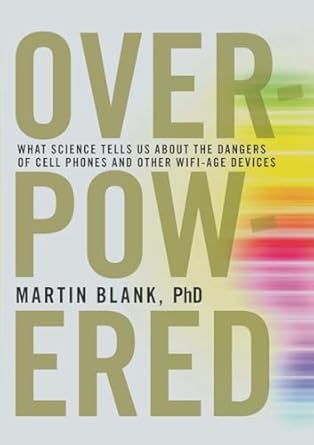
For a comprehensive exploration of EMF health effects and practical protection strategies, explore these books by R Blank and Dr. Martin Blank.