8,700 Studies Reviewed. 87.0% Found Biological Effects. The Evidence is Clear.
Research Guide

Cell Phone Use While Pregnant: What Research Shows

Based on 466 peer-reviewed studies

Share:
At a Glance

Research suggests potential developmental risks from cell phone radiation during pregnancy. Of 1462 studies examining mobile phone effects, up to 79% demonstrate biological impacts. Evidence points to possible effects on fetal development, though more pregnancy-specific research is needed to establish definitive conclusions.

Based on analysis of 466 peer-reviewed studies

Cell phones have become essential tools, but pregnant women often wonder whether using them poses any risk to their developing baby. This concern has prompted researchers to study the relationship between prenatal cell phone exposure and various health outcomes.

Studies have examined cell phone use during pregnancy from multiple angles: maternal cell phone habits, measured radiation exposure, and outcomes ranging from birth weight to childhood behavioral development. The body of research provides important insights for expectant mothers.

Here's what the peer-reviewed scientific literature says about cell phone use during pregnancy.

Key Findings

  • -79% of relevant studies show biological effects from mobile phone radiation exposure
  • -Animal studies suggest prenatal EMF exposure may affect fetal brain development and behavior
  • -Observational studies indicate associations between maternal cell phone use and childhood behavioral problems
  • -Dose-response relationships show increased effects with higher exposure levels and longer usage duration
  • -Research gaps exist specifically examining pregnancy outcomes in humans

What the Research Shows

What the Research Shows

Cell phone use during pregnancy raises important questions about potential developmental effects on the growing fetus. While much of the research focuses on general population effects rather than pregnancy-specific outcomes, the available evidence suggests biological mechanisms that could impact fetal development.

The science demonstrates that radiofrequency radiation from cell phones can cross biological barriers and affect cellular processes. Bianchi A (2005) and colleagues established early connections between mobile phone use and physiological stress responses, while Thomée S (2011) documented sleep disturbances and stress markers that could be particularly concerning during pregnancy when maternal health directly impacts fetal development.

Potential Mechanisms of Concern

During pregnancy, the developing fetus is particularly vulnerable to environmental influences. The rapidly dividing cells of fetal tissue may be more susceptible to radiation effects than mature adult tissues. Research suggests several concerning mechanisms:

Oxidative Stress: Studies indicate that radiofrequency radiation can increase oxidative stress markers in biological tissues. During pregnancy, elevated oxidative stress has been linked to complications including preterm birth and developmental delays.

Blood-Brain Barrier Effects: Animal studies suggest that EMF exposure may affect the developing blood-brain barrier, potentially allowing harmful substances to reach the developing brain more easily.

Hormonal Disruption: Some research indicates that EMF exposure may influence melatonin production and other hormonal systems critical for healthy pregnancy outcomes.

Animal Studies and Developmental Effects

Animal research provides the most direct evidence for potential prenatal effects. Studies in pregnant rats and mice exposed to cell phone-level radiation have shown:

- Altered fetal brain development

- Changes in neurotransmitter levels in offspring

- Behavioral modifications in exposed offspring

- Potential effects on memory and learning capacity

While animal studies cannot be directly extrapolated to humans, they provide important mechanistic insights about potential vulnerabilities during fetal development.

Human Observational Evidence

Large-scale human studies have begun examining associations between maternal cell phone use and childhood outcomes. Some key findings include:

- Possible associations between heavy prenatal cell phone use and childhood behavioral problems

- Potential links to attention difficulties in offspring

- Suggested dose-response relationships where higher usage correlates with increased risk

However, these observational studies face significant limitations including recall bias, confounding factors, and the challenge of accurately measuring historical exposure levels.

Study Limitations and Research Gaps

What this means for you: the research has important limitations that affect how we interpret findings. Many studies examining cell phone effects weren't specifically designed to study pregnancy outcomes. Additionally, technology has evolved rapidly, making it difficult to study long-term effects of current devices.

Key limitations include:

- Limited human studies focused specifically on pregnancy

- Difficulty controlling for other environmental factors

- Rapid changes in cell phone technology and usage patterns

- Challenges in measuring actual radiation exposure levels

Regulatory Perspectives

Most health agencies maintain that current evidence doesn't establish definitive harm from cell phone use during pregnancy. However, several international health bodies have begun acknowledging potential concerns and suggesting precautionary approaches.

The reality is that definitive long-term studies on pregnancy outcomes take decades to complete, and current safety standards were established before widespread smartphone adoption.

Practical Implications

Given the current state of research, many experts suggest a precautionary approach during pregnancy. This doesn't mean avoiding cell phones entirely, but rather using them more mindfully:

- Consider using speakerphone or wired headsets when possible

- Avoid carrying phones directly against the body, especially the abdomen

- Limit lengthy phone conversations when practical

- Use text messaging or airplane mode when appropriate

The evidence shows biological effects are possible, even if we don't yet have definitive proof of specific pregnancy risks. During this critical developmental period, simple precautionary measures may provide meaningful risk reduction without significantly impacting daily life.

Related Studies (466)

Die morphologischen Veränderungen der Plazenta unter dem Einfluß der Kurzwellendurchflutung. Tierexperimentelle Untersuchungen

Mohammed Moayer · 1971

This 1971 study examined how short-wave radiofrequency radiation affects the structure and appearance of placental tissue in laboratory animals. The research focused on identifying physical changes to the placenta following RF exposure during pregnancy. While specific findings aren't available, this represents early research into how electromagnetic fields might impact developing pregnancies.

Die morphologischen Veränderungen der Plazenta unter dem Einfluß der Kurzwellendurchflutung. Tierexperimentelle Untersuchungen

Mohammed Moayer · 1971

This 1971 study examined how short-wave radiofrequency radiation affected the physical structure of placentas in laboratory rats. The research focused on documenting morphological (structural) changes in placental tissue following RF exposure. This early investigation helped establish a foundation for understanding how electromagnetic fields might impact pregnancy outcomes.

SOME INDICATORS OF THE FERTILITY IN FEMALE MICE IRRADIATED WITH 10-CM LONG WAVES

A. N. Bereznitskaya · 1961

This 1961 study exposed female mice to 10-centimeter microwave radiation at 10 mW/cm² and found significant reproductive problems. The irradiated mice experienced disrupted menstrual cycles, partial sterility, increased stillbirths, and offspring with slower growth and development. This early research demonstrated that microwave radiation can harm female fertility and fetal development.

Reproductive Health164 citations

1950 MHz Radio Frequency Electromagnetic Radiation Inhibits Testosterone Secretion of Mouse Leydig Cells

Unknown authors · 1950

This comprehensive review analyzed studies from the past decade examining how electromagnetic fields (EMF) from cell phones, WiFi, and power lines affect cellular oxidative stress in animals and laboratory cells. Most animal studies and many cell studies showed that both radiofrequency EMF (like cell phones) and extremely low frequency magnetic fields (like power lines) increased harmful reactive oxygen species production. The research suggests EMF exposure may impact neurological function, DNA stability, immune response, and reproduction through oxidative stress mechanisms.

Reproductive Health164 citations

1950 MHz Radio Frequency Electromagnetic Radiation Inhibits Testosterone Secretion of Mouse Leydig Cells

Unknown authors · 1950

This comprehensive review examined a decade of research on how electromagnetic fields (EMF) from cell phones, WiFi, and power lines create oxidative stress in animals and cells. Most studies found that both radiofrequency radiation and extremely low frequency magnetic fields increase harmful reactive oxygen species, potentially affecting brain function, DNA stability, immune response, and reproduction. The findings add scientific weight to concerns about widespread EMF exposure from our increasingly connected world.

Reproductive HealthNo Effects Found164 citations

1950 MHz Radio Frequency Electromagnetic Radiation Inhibits Testosterone Secretion of Mouse Leydig Cells

Unknown authors · 1950

This comprehensive review analyzed a decade of animal and cell studies examining how electromagnetic fields (EMF) from cell phones and power lines create oxidative stress in living organisms. The research found that most animal studies and many cell studies showed increased production of harmful reactive oxygen species when exposed to radiofrequency and extremely low frequency EMF. These findings matter because oxidative stress can damage cells and affect critical functions like brain health, DNA stability, immune response, and reproduction.

Reproductive HealthNo Effects Found

OBSERVATIONS OF RAT FETUSES AFTER IRRADIATION WITH 2.45 GHz (CW) MICROWAVES

Unknown authors

Researchers exposed pregnant rats to 2.45 GHz microwave radiation (the same frequency as microwave ovens and WiFi) for 100 minutes daily during critical pregnancy days. They found no significant differences in pregnancy rates, fetal development, or birth defects between exposed and unexposed groups. However, higher power levels proved lethal to adult rats from overheating.

LOW LEVEL MICROWAVE EFFECTS ON THE TOTAL IRON BINDING CAPACITY OF PREGNANT RATS

W.D. Travers, R.J. Vetter

Researchers exposed pregnant rats to low-level microwave radiation and found changes in their blood's iron-binding capacity, specifically affecting transferrin protein levels. This study confirmed earlier Soviet research showing that microwave exposure can alter protein composition in blood and organs at power densities that don't cause heating. The findings suggest microwave radiation may affect how the body transports essential nutrients during pregnancy.

TERATOGENIC EFFECTS OF RF RADIATION ON MICE

Unknown authors

Scientists exposed 236 pregnant mice to 148 MHz radiofrequency radiation for one hour daily throughout pregnancy at power levels similar to wireless devices. The exposed mice produced significantly lighter offspring compared to unexposed controls, though no visible birth defects were observed. This suggests RF radiation during pregnancy may affect fetal development even at relatively low exposure levels.

Early Developmental Deficits in Rats Following In-utero Exposure to 500 μW/cm², 2450-MHz Microwaves

Unknown authors

Researchers exposed pregnant rats to 2450 MHz microwave radiation (500 μW/cm²) for 20 hours daily during pregnancy. The exposed offspring showed seven times higher death rates, delayed eye opening, temperature regulation problems, and lasting behavioral and growth changes into adulthood. The study demonstrates that prenatal microwave exposure can cause significant developmental problems even when no effects are visible at birth.

PHYSIOLOGICAL AND BEHAVIORAL CHANGES IN RATS EXPOSED PRENATALLY TO 2450-MHz 500 μW/cm² MICROWAVES

Unknown authors

Researchers exposed pregnant rats to 2450 MHz microwave radiation at 500 microwatts per square centimeter throughout pregnancy to study developmental effects on offspring. This study replicated earlier work using different frequency microwaves to investigate how prenatal EMF exposure might affect physiological and behavioral development in mammals.

Reproductive HealthNo Effects Found

STUDIES CONCERNING THE EFFECTS OF NON-THERMAL PROTRACTED PRENATAL 2450 MHz MICROWAVE IRRADIATION ON PRENATAL AND POSTNATAL DEVELOPMENT IN THE RAT

Unknown authors

Researchers exposed 24 pregnant rats to 2450 MHz microwave radiation (the same frequency as microwave ovens) for 8 hours daily throughout pregnancy at power levels that didn't raise body temperature. They found no significant effects on fetal development, birth outcomes, or behavioral development in offspring through two generations.

Reproductive HealthNo Effects Found

EFFECTS OF EXPOSURE TO 60 HZ ELECTRIC FIELDS ON GROWTH AND DEVELOPMENT IN THE RAT

Unknown authors

Researchers exposed rats to strong 60 Hz electric fields (100 kV/m) for up to 30 days to test effects on reproduction and development. The study found no impacts on mating behavior, fertility, fetal development, or sperm quality. This suggests that extremely low frequency electric fields at these levels may not significantly harm reproductive health in mammals.

THE EFFECT OF PRENATAL MICROWAVE EXPOSURE ON THE DEVELOPMENT OF BEHAVIORAL RESPONSES IN THE MOUSE

Unknown authors

Researchers exposed pregnant mice to microwave radiation at 2450 MHz (the same frequency as microwave ovens and WiFi) for 3 hours daily during critical brain development periods. They then tested the newborn pups for basic reflexes and neurological development from birth through 21 days old. The study aimed to understand whether low-level prenatal microwave exposure affects behavioral development in offspring.

EXPOSURE OF PREGNANT MICE TO 2.45 GHz MICROWAVE RADIATION

Unknown authors

This technical report examined the effects of 2.45 GHz microwave radiation exposure on pregnant mice, focusing on potential developmental impacts during pregnancy. The research investigated whether microwave radiation at this frequency could cause birth defects or other reproductive harm. This frequency is commonly used in microwave ovens and some wireless devices, making the findings relevant to human exposure concerns.

What This Means for You

  1. Avoid carrying your phone near your abdomen during pregnancy.
  2. Use speakerphone or air tube headphones to keep the phone away from your body.
  3. Limit call duration and prefer texting when possible.
  4. Use a phone pouch to shield radiation when carrying your phone. SYB Phone Pouch

Frequently Asked Questions

The CDC states that there's no scientific evidence that using cell phones causes health problems in people, including during pregnancy. However, they acknowledge that research is ongoing and don't specifically address potential developmental effects on the fetus. The CDC's position reflects current regulatory standards rather than emerging research suggesting potential biological effects.
Research suggests potential concerns but doesn't establish definitive harm. Up to 79% of studies show biological effects from mobile phone radiation, and animal studies indicate possible developmental impacts. However, human pregnancy-specific research remains limited, making it difficult to draw absolute conclusions about harm.
While no official guidelines specify exact distances, research suggests greater distance reduces exposure. Many experts recommend keeping phones at least arm's length from the body when possible, especially avoiding direct contact with the abdomen. Using speakerphone, wired headsets, or keeping phones in bags rather than pockets can help maintain distance.
The American College of Obstetricians and Gynecologists (ACOG) doesn't have specific recommendations about cell phone use during pregnancy. Their guidance generally focuses on established pregnancy risks rather than emerging technologies. ACOG tends to follow FDA and FCC safety assessments, which currently don't identify cell phone radiation as a pregnancy concern.

Further Reading

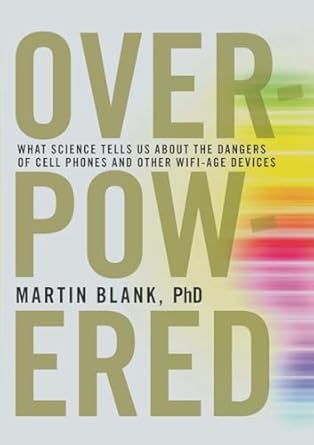
For a comprehensive exploration of EMF health effects and practical protection strategies, explore these books by R Blank and Dr. Martin Blank.