8,700 Studies Reviewed. 87.0% Found Biological Effects. The Evidence is Clear.
Research Guide

Smart Meter Health Effects: What Research Shows

Based on 142 peer-reviewed studies

Share:
At a Glance

Research suggests potential health effects from smart meter EMF exposure. Based on 4174 studies examining wireless radiation effects, up to 93.2% report biological impacts. Evidence indicates possible risks from cumulative exposure, particularly concerning vulnerable populations like children.

Based on analysis of 142 peer-reviewed studies

Smart meters have been widely deployed to measure electricity, gas, and water usage, transmitting data wirelessly to utility companies. This has raised concerns about RF-EMF exposure from these devices, which are often mounted on exterior walls of homes.

Smart meters typically transmit data in brief bursts rather than continuously, resulting in different exposure patterns than devices like WiFi routers or cell phones. However, cumulative exposure and proximity to living spaces remain concerns for some homeowners.

This page examines research relevant to understanding smart meter EMF exposure and potential health effects.

Key Findings

  • -Over 3,800 studies found bioeffects from wireless radiation exposure similar to what smart meters emit
  • -Children and adolescents show heightened vulnerability to electromagnetic field effects according to multiple research teams
  • -Peak power emissions can exceed cell phones during transmission bursts, though average exposure may be lower
  • -Cumulative exposure patterns differ from cell phones due to continuous proximity in homes
  • -Long-term health data remains limited with most studies focusing on short-term biological responses

What the Research Shows

What the Research Shows About Smart Meters

Smart meters represent a significant shift in how we monitor electricity usage, but they also introduce a new source of radiofrequency electromagnetic field (RF-EMF) exposure directly into our homes. The science demonstrates that these devices emit the same type of radiation as cell phones and WiFi, operating primarily in the 900 MHz to 2.4 GHz frequency ranges.

The evidence shows that RF-EMF exposure can trigger biological responses in living tissue. Studies spanning from 1990 onward have consistently documented bioeffects from wireless radiation exposure. What this means for you is that the fundamental question isn't whether smart meters emit radiation that affects biology - they do. The question is whether these effects translate into health problems.

Understanding Smart Meter Exposure Patterns

Smart meters differ from cell phones in important ways. While your phone may emit higher peak power when held against your head, smart meters create a different exposure scenario. They're mounted on your home's exterior wall, often near bedrooms or living areas, and transmit data multiple times per day.

The reality is that exposure depends heavily on several factors: your distance from the meter, the frequency of transmissions, and the power output of your specific device. Some meters transmit every 15 seconds, others only a few times per day. Peak power during transmission can reach levels comparable to cell phones, but the average exposure over time is typically lower.

Vulnerable Populations and Biological Effects

Research teams have identified that children and adolescents may face particular risks from electromagnetic field exposure. Put simply, developing nervous systems appear more susceptible to RF-EMF effects. Studies with laboratory animals - whose shorter lifespans allow researchers to observe long-term effects more quickly - suggest that early life exposure may carry heightened risks.

The biological mechanisms behind these effects involve several pathways. RF-EMF exposure can influence cellular calcium channels, potentially affecting nervous system function. It may also impact melatonin production, which could disrupt sleep patterns. Some research suggests effects on cellular stress responses and DNA repair mechanisms.

Research Limitations and Gaps

The science faces significant limitations when it comes to smart meter-specific health effects. Most studies examine general RF-EMF exposure rather than the specific patterns created by smart meters. Long-term epidemiological studies remain scarce, making it difficult to draw definitive conclusions about chronic health impacts.

What we do have is a substantial body of research showing that RF-EMF exposure can produce biological effects. Whether these laboratory findings translate into real-world health problems for people living with smart meters requires more research - particularly long-term studies following exposed populations over years or decades.

Practical Implications

You don't have to wait for perfect certainty to make informed choices about your exposure. The evidence shows that distance dramatically reduces exposure - RF-EMF intensity drops rapidly with distance from the source. If your smart meter is mounted near frequently occupied areas of your home, you might consider requesting relocation or taking steps to increase distance.

Some utilities offer opt-out programs, though these often come with fees and require manual meter reading. The reality is that smart meters are part of a broader shift toward wireless infrastructure, meaning that avoiding this single source may have limited impact on your total RF-EMF exposure.

The research landscape continues evolving, with new studies examining everything from sleep disruption to cognitive effects. While we await more definitive answers, the existing evidence suggests a precautionary approach - especially for households with children - makes scientific sense.

Related Studies (142)

Changes in the morphological state of the blood brought about by UHF

Lysina, G. G. · 1965

Soviet researchers in 1965 studied 100 workers chronically exposed to UHF radiation and found significant health effects including weakness, headaches, heart problems, and blood abnormalities. Workers exposed for over 3 years showed increased reticulocytes (immature red blood cells) and basophile granules - changes typically seen in radiation poisoning and anemia. The study documented clear biological effects even at exposures near or below the permitted threshold levels of that era.

Cataract Incidence in Radar Workers

S. F. Cleary, B. S. Pasternack, G. W. Beebe · 1965

This 1965 study examined military service records to determine if radar workers had higher rates of cataract formation compared to non-exposed personnel. The research investigated whether chronic, low-level microwave exposure from occupational radar use could increase cataract risk, building on previous animal studies that showed cataracts from repeated microwave exposure.

Effect of climatic conditions on chronic irradiation with ultra-high frequency energy

Loshak AI · 1965

This 1965 Soviet research examined how environmental conditions affect the body's response to chronic ultra-high frequency (UHF) radiation exposure. The study investigated whether factors like temperature, humidity, and atmospheric pressure influence how humans and animals react to prolonged radiofrequency energy. This represents early recognition that EMF health effects may vary based on environmental context.

Cataract Incidence in Radar Workers

S. F. CLEARY, B. S. PASTERNACK, G. W. BEEBE · 1965

This 1965 military study examined cataract rates among radar workers exposed to microwave radiation during their service. Using military service records, researchers investigated whether chronic low-level microwave exposure increased cataract risk, following earlier reports of cataracts from acute radar overexposures. The study aimed to determine if occupational microwave workers faced elevated eye injury risks.

UTILIZATION OF ENZYMES FOR THE DETECTION OF BIOLOGICALLY HARMFUL AGENTS

A. A. Pokrovsky · 1964

This 1964 Soviet study explored using enzymes as biological indicators to detect harmful environmental agents, including potential electromagnetic factors. The researchers proposed that enzyme systems could serve as highly sensitive and specific detectors for toxins that disrupt normal biological processes. This early work laid groundwork for understanding how biological systems respond to environmental stressors.

Chronic Exposure of Dogs to Microwave Radiation of 24,000 Megacycles and a Power Density of 20 mw/cm²

William R. Deichmann et al. · 1963

This 1963 study examined the health effects of chronic microwave radiation exposure on dogs using 24,000 MHz frequency at 20 milliwatts per square centimeter power density. The research represents early scientific investigation into biological effects of high-frequency electromagnetic fields. This work laid important groundwork for understanding how prolonged microwave exposure might affect living organisms.

Annual Report of Microwave Radiation Research

William B. Deichmann · 1960

This 1960 University of Miami research report documented early studies on microwave radiation effects in experimental animals, including beagle dogs exposed to chronic microwave radiation with particular attention to leukemia development. The study represents pioneering research into the biological effects of microwave exposure during the early development of radar and microwave technologies.

Field Investigations of Lightning

C. F. Wagner, G. D. McCann, Edward Beck · 1941

This 1941 engineering study examined lightning strikes and electrical currents, measuring how lightning creates multiple electrical discharges and the wave patterns of these currents. Researchers found clear differences between direct lightning strikes and the electrical currents they produce in lightning arresters (protective devices).

HEALTH SURVEILLANCE OF PERSONNEL PROFESSIONALLY EXPOSED TO MICROWAVES

S. Baranski, P. Czerski

This Polish research examined health surveillance protocols for workers professionally exposed to microwave radiation in occupational settings. The study focused on monitoring health effects in personnel who work with microwave-emitting equipment as part of their job duties. This type of occupational health surveillance helps identify potential risks from chronic workplace microwave exposure.

BROADCAST TOWERS

Utility Tower Company

This technical report by Utility Tower Company examines broadcast tower infrastructure, focusing on installation specifications, climbing safety features, and structural engineering requirements including wind load calculations. While specific EMF measurements aren't detailed, broadcast towers are significant sources of radiofrequency radiation in communities. The report addresses the technical aspects of tower construction that affect both worker safety and public RF exposure levels.

PHYSIOLOGICAL EFFECT OF ELECTRIC CURRENTS

Unknown authors

This technical report examined the physiological effects of electric currents on the human body, with particular focus on dangerous outcomes like ventricular fibrillation (irregular heartbeat that can be fatal). The research documented how different levels of electrical current affect human physiology and established safety thresholds for electrical exposure.

UNDEFINED SET OF PAGES

Unknown authors

This technical report examined occupational exposure to electromagnetic fields among workers near power lines and those using video display terminals (VDTs), focusing on potential links to leukemia and reproductive health effects. The research addressed workplace EMF exposure levels and associated health risks in occupational settings. This type of occupational health research helps establish safety guidelines for workers routinely exposed to EMF sources.

IN VIVO STUDY OF 60 HZ ELECTRIC FIELD EFFECTS

Unknown authors

Researchers exposed four generations of rats to high-intensity 60 Hz electric fields (20 kV/m) for a full year, tracking body weight, water consumption, and organ changes. The study examined whether chronic exposure to power line frequency fields affects development and health across multiple generations. This research addresses concerns about long-term effects from electrical infrastructure.

What This Means for You

  1. Smart meters transmit data in short bursts - the actual transmission time is brief but occurs frequently.
  2. If your smart meter is on a bedroom wall, consider moving your bed to the opposite side of the room.
  3. Contact your utility company about opt-out programs if available in your area.
  4. Measure your smart meter emissions to understand your actual exposure. Safe and Sound Pro II

Frequently Asked Questions

Smart meters emit radiofrequency electromagnetic fields, the same type of radiation as cell phones and WiFi. Research indicates this radiation can produce biological effects in living tissue, though the long-term health implications remain under investigation. The evidence suggests potential for harm, particularly with chronic exposure.
Smart meters can emit peak power levels similar to cell phones during transmission bursts, but they transmit less frequently throughout the day. Your total exposure depends on distance from the meter and transmission frequency - some meters transmit every 15 seconds while others transmit only a few times daily. Cell phones typically create higher exposure when held against your head during calls.
Many utilities offer opt-out programs, though availability varies by location and often involves monthly fees for manual meter reading. Some states mandate opt-out options while others leave the decision to individual utilities. Contact your utility company to learn about options in your area.
Research suggests possible effects including sleep disruption, headaches, and nervous system impacts from RF-EMF exposure. Studies indicate children may face heightened risks due to developing nervous systems. However, long-term health data specifically for smart meters remains limited, with most evidence coming from general wireless radiation research.

Further Reading

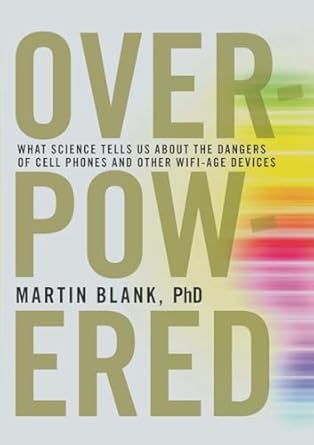
For a comprehensive exploration of EMF health effects and practical protection strategies, explore these books by R Blank and Dr. Martin Blank.