8,700 Studies Reviewed. 87.0% Found Biological Effects. The Evidence is Clear.
Research Guide

5G vs 4G Radiation: What's Different?

Based on 1,317 peer-reviewed studies

Share:
At a Glance

Research suggests significant differences between 4G and 5G radiation exposure patterns, with 5G operating at higher frequencies but potentially lower power levels. Based on 2986 studies examining wireless radiation effects, up to 84% demonstrate biological impacts, though direct 5G-specific research remains limited.

Based on analysis of 1,317 peer-reviewed studies

People often ask whether 5G is more dangerous than 4G. This question requires understanding how 5G technology differs from previous generations and what research exists on each.

5G networks operate across multiple frequency bands. Low-band 5G (600-900 MHz) is actually similar to 4G frequencies. Mid-band 5G (2.5-4 GHz) overlaps with existing WiFi. High-band 5G (24-40+ GHz, "millimeter wave") represents the newest frequencies for consumer wireless exposure.

This page compares what research shows about radiation exposure from 5G versus 4G technologies.

Key Findings

  • -84% of wireless radiation studies show biological effects across frequency ranges used by both 4G and 5G networks
  • -Higher frequency signals in 5G (24-100 GHz) penetrate less deeply into tissue but may affect skin and eye surfaces more intensely
  • -Pulsed signal patterns differ significantly between 4G and 5G, with 5G using more complex modulation schemes that may influence biological responses
  • -Limited long-term studies exist specifically comparing 4G and 5G health effects, making direct safety comparisons challenging
  • -Cumulative exposure concerns arise from 5G's denser network infrastructure potentially increasing overall ambient radiation levels

What the Research Shows

Frequency and Penetration Differences

The most fundamental difference between 4G and 5G lies in their frequency ranges. While 4G primarily operates between 700 MHz and 2.6 GHz, 5G spans a much broader spectrum, from sub-6 GHz frequencies similar to 4G up to millimeter wave frequencies of 24-100 GHz. Research indicates these higher frequencies behave differently in biological tissue.

Studies examining millimeter wave radiation show that these higher frequencies penetrate only 1-2 millimeters into skin tissue, compared to the several centimeters of penetration seen with 4G frequencies. However, this surface-level interaction doesn't necessarily mean reduced biological impact. Kundu and colleagues (2021) demonstrated significant cellular responses even with surface-level exposure patterns.

Signal Modulation and Pulsing Patterns

5G networks employ fundamentally different signal processing compared to 4G. The technology uses more complex modulation schemes, including beamforming and massive MIMO (multiple input, multiple output) arrays. These create more sophisticated pulsing patterns and signal directionality.

Research suggests that pulsed electromagnetic fields may produce different biological effects compared to continuous wave exposure. Lee and team (2008) found that signal characteristics beyond just frequency and power level influence cellular responses, indicating that 5G's unique modulation patterns warrant specific investigation.

Power Levels and Exposure Patterns

Interestingly, 5G systems often operate at lower power levels than 4G for individual transmissions. However, the network architecture creates different exposure scenarios. 5G requires denser infrastructure with more cell sites positioned closer to users, potentially creating more consistent ambient exposure even if individual signal strength is lower.

This infrastructure change means exposure patterns shift from occasional high-intensity signals to more constant low-level exposure from multiple sources. Research on cumulative EMF exposure suggests this pattern change could have biological significance, though specific studies comparing these exposure scenarios remain limited.

Biological Response Mechanisms

Studies indicate that cellular responses to electromagnetic fields depend on multiple factors beyond frequency alone. Zou and colleagues (2021) demonstrated that biological systems respond to electromagnetic field characteristics including frequency, intensity, modulation, and exposure duration.

The higher frequencies used in 5G millimeter wave bands interact primarily with skin, eyes, and peripheral nervous system tissues. Research on millimeter wave exposure shows potential effects on:n- Skin temperature regulationn- Eye lens heatingn- Peripheral nerve functionn- Immune cell activity in surface tissues

Research Limitations and Gaps

While thousands of studies examine wireless radiation effects, direct comparisons between 4G and 5G health impacts remain scarce. Most existing research focuses on individual frequency ranges or general cellular responses rather than technology-specific comparisons.

The rapid deployment of 5G networks has outpaced comprehensive long-term health studies. Research examining static magnetic fields and biological responses demonstrates that even well-studied electromagnetic exposures continue revealing new biological mechanisms.

Regulatory Considerations

Current safety standards primarily focus on thermal heating effects and were established before 5G deployment. The evidence from 2,509 studies showing biological effects suggests these standards may not adequately address non-thermal mechanisms relevant to both 4G and 5G exposure.

Research indicates that biological responses occur at exposure levels below current regulatory limits, highlighting the need for updated assessment approaches that account for technology-specific characteristics.

Practical Implications

While definitive comparisons await more research, the available evidence suggests both 4G and 5G present biological exposure concerns through different mechanisms. 5G's higher frequencies affect surface tissues more intensely, while 4G's lower frequencies penetrate more deeply into the body.

The combination of both technologies in modern networks creates complex exposure scenarios that differ significantly from previous generations of wireless technology, emphasizing the importance of precautionary approaches while research continues.

Related Studies (1,317)

Seckin E et al, (May 2014) The effect of radiofrequency radiation generated by a Global System for Mobile Communications source on cochlear development in a rat model, J Laryngol Otol. 2014 May;128(5):400-5. doi: 10.1017/S0022215114000723

Unknown authors · 2014

Turkish researchers exposed pregnant rats and their newborns to 900 MHz and 1800 MHz cell phone radiation for one hour daily throughout pregnancy and early development. While hearing tests showed no differences, electron microscope examination revealed significant cellular damage in the inner ear (cochlea) of exposed animals, including increased cell death.

Seckin E et al, (May 2014) The effect of radiofrequency radiation generated by a Global System for Mobile Communications source on cochlear development in a rat model, J Laryngol Otol. 2014 May;128(5):400-5. doi: 10.1017/S0022215114000723

Unknown authors · 2014

Turkish researchers exposed pregnant rats and their newborns to cell phone radiation at 900 MHz and 1800 MHz frequencies for one hour daily during pregnancy and early development. While hearing tests showed no differences, microscopic examination revealed significant cellular damage in the inner ear, including increased cell death and structural abnormalities in the cochlea.

DNA & Genetic DamageNo Effects Found

Assessment of nuclear abnormalities in exfoliated cells from the oral epithelium of mobile phone users

Souza LD, Cerqueira ED, Meireles JR · 2014

Brazilian researchers examined cells from the mouths of 45 mobile phone users to look for DNA damage and cell death markers. They found no differences in most cellular damage markers between light, moderate, and heavy phone users (more than 5 hours per week). However, heavy users showed significantly more 'broken egg' structures in their cells, which may indicate gene amplification problems.

Cellular EffectsNo Effects Found

Nanometer-scale elongation rate fluctuations in the Myriophyllum aquaticum (Parrot feather) stem were altered by radio-frequency electromagnetic radiation.

Senavirathna MD, Asaeda T, Thilakarathne BL, Kadono H · 2014

Researchers exposed aquatic plants to 2 GHz radio frequency radiation (similar to cell phone signals) for one hour and measured ultra-precise changes in how the plants grew. The radiation significantly altered the plants' natural growth patterns by 51%, and these changes persisted for at least 2.5 hours after exposure ended. This demonstrates that RF radiation can affect living organisms through non-thermal mechanisms, even in plants.

Cellular EffectsNo Effects Found

EFFECT OF DISCONTINUOUS MICROWAVES EXPOSURE (2.45 GHz) ON ESCHERICHIA COLI MEMBRANE: INVESTIGATIONS ON THERMAL VERSUS NON THERMAL EFFECTS.

Rougier C, Prorot A, Chazal P, Leveque P, Leprat P · 2014

Researchers exposed E. coli bacteria to 2.45 GHz microwave radiation (the same frequency used in microwave ovens and WiFi) at various power levels while keeping the temperature constant at body temperature. They found that higher power levels (400-2000 watts) caused slight damage to bacterial cell membranes, even though the temperature wasn't hot enough to explain this damage through heating alone. This suggests microwave radiation may have biological effects beyond just heating.

Cancer & TumorsNo Effects Found

Cell phone use and parotid salivary gland alterations: no molecular evidence.

de Souza FT et al. · 2014

Researchers studied whether cell phone use causes stress-related changes in the parotid salivary glands (located near the ear where phones are held) by comparing saliva from 62 people's exposed and unexposed glands. They found no differences in cellular stress markers, protein levels, or salivary flow between the phone-exposed side and the opposite side, even when accounting for years of use or calling time.

Oxidative StressNo Effects Found

Assessment of oxidant/antioxidant status in saliva of cell phone users

Khalil AM, Abu Khadra KM, Aljaberi AM, Gagaa MH, Issa HS. · 2014

Researchers measured oxidative stress markers in saliva from people before, during, and after 15-30 minute cell phone calls to see if radiofrequency radiation causes cellular damage. They found no significant changes in any of the stress markers or antioxidant levels, suggesting that short-term phone use doesn't trigger detectable oxidative stress in saliva.

DNA & Genetic DamageNo Effects Found

Effect of 950 MHz UHF electromagnetic radiation on biomarkers of oxidative damage, metabolism of UFA and antioxidants in the livers of young rats of different ages

Furtado-Filho OV et al. · 2014

Brazilian researchers exposed young rats to cell phone-level radiation (950 MHz) for 30 minutes daily, starting before birth and continuing up to 30 days after birth. They found no evidence of oxidative stress or DNA damage in most age groups, though 30-day-old rats showed some genetic changes and newborns had altered fatty acid levels in their livers. The study suggests that developing animals may be more resilient to short-term RF radiation exposure than previously thought.

Oxidative StressNo Effects Found

Cell phone use and parotid salivary gland alterations: no molecular evidence

de Souza FT et al. · 2014

Researchers examined saliva from 62 people to see if cell phone radiation causes cellular stress in the parotid glands (the largest salivary glands near your ears). They compared saliva from the gland on the same side as phone use to the opposite side, measuring stress markers like proteins and antioxidants. No differences were found between the exposed and unexposed sides, suggesting cell phone radiation doesn't cause detectable cellular stress in these glands.

DNA & Genetic DamageNo Effects Found

Absence of DNA damage after 60-Hz electromagnetic field exposure combined with ionizing radiation, hydrogen peroxide, or c-Myc overexpression.

Jin YB et al. · 2014

Researchers exposed four different types of human and mouse cells to 60 Hz magnetic fields (the same frequency as power lines) for 4 to 16 hours, both alone and combined with known DNA-damaging agents like radiation and hydrogen peroxide. They found no DNA damage from the magnetic field exposure alone, and the magnetic fields did not make other DNA-damaging agents more harmful. This suggests that power-frequency magnetic fields at 1 milliTesla may not directly damage cellular DNA.

Brain & Nervous SystemNo Effects Found

Assessment of the neurotoxic potential of exposure to 50 Hz extremely low frequency electromagnetic fields (ELF-EMF) in naïve and chemically-stressed PC12 cells.

de Groot MW, Kock MD, Westerink RH. · 2014

Researchers exposed nerve cells (PC12 cells) to 50 Hz magnetic fields at levels up to 1,000 microtesla for periods ranging from 30 minutes to 48 hours. They tested both healthy cells and chemically-stressed cells that were more vulnerable to damage. The magnetic field exposure caused no detectable effects on calcium levels, cellular damage, or oxidative stress in either type of cell.

Oxidative StressNo Effects Found

Effects of combined radiofrequency radiation exposure on levels of reactive oxygen species in neuronal cells.

Kang KA et al. · 2014

Researchers exposed neuronal brain cells to combined cell phone radiation (CDMA and WCDMA signals) for 2 hours to measure whether this caused oxidative stress, a type of cellular damage linked to various health problems. The study found no increase in reactive oxygen species (cellular damage markers) in any of the three types of brain cells tested, even when combined with known oxidative stress agents.

The Compound Chinese Medicine “Kang Fu Ling” Protects against High Power Microwave-Induced Myocardial Injury.

Zhang X, Gao Y, Dong J, Wang S, Yao B, et al. (2014) · 2014

Chinese researchers exposed 100 rats to high-power microwave radiation and found significant heart damage, including abnormal heart rhythms, cellular swelling, and damaged mitochondria (the cell's powerhouses). When they treated some rats with a traditional Chinese herbal compound called Kang Fu Ling, the heart damage was largely prevented. This suggests that microwave radiation can harm the cardiovascular system at the cellular level.

Effects of prenatal 900 MHz electromagnetic field exposures on the histology of rat kidney.

Ulubay M et al. · 2014

Researchers exposed pregnant rats to 900 MHz radiofrequency radiation (the same frequency used by many cell phones) and examined the kidneys of their offspring at four weeks old. They found that prenatal EMF exposure caused the kidneys to grow larger but have fewer filtering units called glomeruli, which are essential for proper kidney function. Importantly, giving the mothers melatonin or omega-3 supplements during pregnancy prevented these harmful effects.

Effects of melatonin on Wi-Fi-induced oxidative stress in lens of rats

Tök L, Nazıroğlu M, Doğan S, Kahya MC, Tök O. · 2014

Turkish researchers exposed rats to Wi-Fi radiation (2.45 GHz) for one hour daily over 30 days and found it caused oxidative stress in the eye lens, similar to cellular damage from aging or toxins. When rats were given melatonin supplements, the antioxidant significantly reduced this Wi-Fi-induced damage. This suggests that common Wi-Fi exposure may harm delicate eye tissues, but natural protective compounds could help defend against such effects.

Influence of microwave frequency electromagnetic radiation on terpene emission and content in aromatic plants.

Soran ML, Stan M, Niinemets U, Copolovici L · 2014

Researchers exposed three common aromatic plants (parsley, celery, and dill) to microwave radiation at frequencies used by WiFi routers and cell phones. The plants showed cellular damage including thinner cell walls and smaller organelles, along with increased release of volatile compounds. This demonstrates that everyday wireless device frequencies can act as environmental stressors on plant life.

Impact of 900 MHz electromagnetic field exposure on main male reproductive hormone levels: a Rattus norvegicus model.

Sepehrimanesh M et al. · 2014

Researchers exposed male rats to 900 MHz radiofrequency radiation (the same frequency used by many cell phones) for 1, 2, or 4 hours daily over 30 days. Rats exposed for 4 hours daily showed significantly decreased testosterone levels and disrupted reproductive hormones compared to unexposed rats. This suggests that prolonged RF exposure may interfere with male fertility and reproductive function.

Analysis of rat testicular proteome following 30-days exposure to 900 MHz electromagnetic field radiation

Sepehrimanesh M, Kazemipour N, Saeb M, Nazifi S. · 2014

Researchers exposed male rats to cell phone radiation (900 MHz) for 1-4 hours daily over 30 days and analyzed changes in testicular proteins. They found 13 proteins that appeared or disappeared after exposure, including stress-response proteins like heat shock proteins and antioxidant enzymes. This suggests that even moderate cell phone-level radiation triggers cellular stress responses in reproductive tissue.

The effect of radiofrequency radiation generated by a Global System for Mobile Communications source on cochlear development in a rat model.

Seckin E et al. · 2014

Researchers exposed pregnant rats and their offspring to cell phone radiation (900 and 1800 MHz frequencies) for one hour daily during pregnancy and for 21 days after birth. While hearing tests showed no differences between exposed and unexposed animals, microscopic examination revealed significant cellular damage in the inner ear structures responsible for hearing. This suggests that cell phone radiation can harm developing hearing organs even when functional hearing appears normal.

Measurement of the dielectric properties of the epidermis and dermis at frequencies from 0.5 GHz to 110 GHz.

Sasaki K, Wake K, Watanabe S · 2014

Researchers measured how electromagnetic waves interact with the two main layers of human skin - the outer epidermis and deeper dermis - across frequencies from 0.5 to 110 GHz. They found that current safety models significantly underestimate how much electromagnetic energy these skin layers actually absorb, especially at higher frequencies above 20 GHz. This matters because accurate absorption data is crucial for both medical device development and safety assessments of wireless technologies.

Non-linear adaptive phenomena which decrease the risk of infection after pre-exposure to radiofrequency radiation.

Mortazavi SM et al. · 2014

Researchers exposed mice to radiofrequency radiation from a GSM mobile phone, then infected them with E. coli bacteria to test their immune response. They found that pre-exposure to RF radiation dramatically improved survival rates - 56% of pre-exposed mice survived the bacterial infection compared to only 20% of unexposed mice. This suggests RF radiation may trigger an adaptive response that strengthens the immune system's ability to fight off infections.

Differential Pro-Inflammatory Responses of Astrocytes and Microglia Involve STAT3 Activation in Response to 1800 MHz Radiofrequency Fields.

Lu Y et al. · 2014

Researchers exposed brain immune cells (microglia and astrocytes) to 1800 MHz radiofrequency radiation - the same frequency used by many cell phones. They found that RF exposure triggered inflammatory responses in both cell types, but through different biological pathways. The study identified a specific protein (STAT3) that could be targeted to potentially protect against RF-induced brain inflammation.

Effect of mobile phone use on salivary concentrations of protein, amylase, lipase, immunoglobulin A, lysozyme, lactoferrin, peroxidase and C-reactive protein of the parotid gland.

Hashemipour MS, Yarbakht M, Gholamhosseinian A, Famori H. · 2014

Researchers examined saliva from 86 people to see if mobile phone use affected the parotid glands (major salivary glands near the ears). They found that people who predominantly held phones on their right side had higher protein levels and saliva flow on that same side, while levels of important enzymes like amylase and lysozyme decreased. This suggests that radiofrequency radiation from phones may alter the normal function of salivary glands closest to where the phone is held.

Diverse Radiofrequency Sensitivity and Radiofrequency Effects of Mobile or Cordless Phone near Fields Exposure in Drosophila melanogaster.

Geronikolou S et al. · 2014

Researchers exposed fruit flies (Drosophila) to radiation from both mobile phones (900 MHz) and cordless phones (1880 MHz) to study reproductive effects. They found that mobile phone radiation significantly reduced egg laying in the second generation of flies, while cordless phone radiation showed only limited effects. The study suggests that lower frequency radiation may cause stronger biological impacts.

Changes in mitochondrial functioning with electromagnetic radiation of ultra high frequency as revealed by electron paramagnetic resonance methods.

Burlaka A et al. · 2014

Ukrainian researchers exposed rats to ultra-high frequency electromagnetic radiation at levels permitted for radar station workers and studied the effects on cellular powerhouses called mitochondria. They found significant disruption in how mitochondria produce energy, particularly increased production of harmful free radicals and reduced oxygen delivery to cells. The damage was more severe when the radiation was delivered in pulses rather than continuously, suggesting that everyday wireless devices that pulse signals may pose greater risks to cellular health.

What This Means for You

  1. Both 4G and 5G emit non-ionizing radiation - the key variable is proximity and duration of exposure.
  2. 5G uses higher frequencies but lower power per antenna - the health implications are still being studied.
  3. Distance remains the most effective protection regardless of network generation.
  4. Use a phone shield to deflect radiation from your device. SYB Phone Shield

Further Reading:

Frequently Asked Questions

5G systems often use lower power per transmission than 4G, but deploy many more antennas in denser networks. This creates different exposure patterns rather than simply more or less radiation. The total exposure depends on proximity to antennas and usage patterns rather than the technology alone.
Research hasn't established that either technology is safer than the other. 4G uses lower frequencies that penetrate deeper into body tissue, while 5G's higher frequencies affect surface tissues more intensely. Both technologies show biological effects in laboratory studies, making direct safety comparisons difficult.
5G operates across much higher frequencies (up to 100 GHz) compared to 4G's 700 MHz to 2.6 GHz range. 5G uses more complex signal modulation and beamforming technology, creating different pulsing patterns. The higher frequencies penetrate less deeply but may affect skin and eye tissues more intensely.
Current research cannot definitively establish which technology poses greater health risks. Studies show both frequencies can produce biological effects through different mechanisms. 5G's novelty means less long-term research exists compared to 4G, making risk comparisons premature until more comprehensive studies are completed.

Further Reading

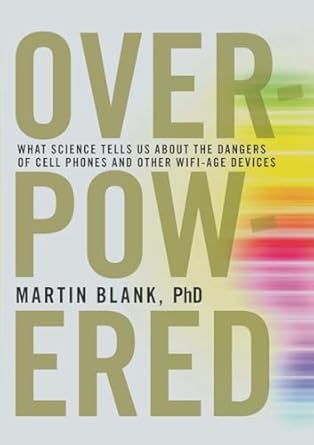
For a comprehensive exploration of EMF health effects and practical protection strategies, explore these books by R Blank and Dr. Martin Blank.