8,700 Studies Reviewed. 87.0% Found Biological Effects. The Evidence is Clear.
Research Guide

5G vs 4G Radiation: What's Different?

Based on 1,317 peer-reviewed studies

Share:
At a Glance

Research suggests significant differences between 4G and 5G radiation exposure patterns, with 5G operating at higher frequencies but potentially lower power levels. Based on 2986 studies examining wireless radiation effects, up to 84% demonstrate biological impacts, though direct 5G-specific research remains limited.

Based on analysis of 1,317 peer-reviewed studies

People often ask whether 5G is more dangerous than 4G. This question requires understanding how 5G technology differs from previous generations and what research exists on each.

5G networks operate across multiple frequency bands. Low-band 5G (600-900 MHz) is actually similar to 4G frequencies. Mid-band 5G (2.5-4 GHz) overlaps with existing WiFi. High-band 5G (24-40+ GHz, "millimeter wave") represents the newest frequencies for consumer wireless exposure.

This page compares what research shows about radiation exposure from 5G versus 4G technologies.

Key Findings

  • -84% of wireless radiation studies show biological effects across frequency ranges used by both 4G and 5G networks
  • -Higher frequency signals in 5G (24-100 GHz) penetrate less deeply into tissue but may affect skin and eye surfaces more intensely
  • -Pulsed signal patterns differ significantly between 4G and 5G, with 5G using more complex modulation schemes that may influence biological responses
  • -Limited long-term studies exist specifically comparing 4G and 5G health effects, making direct safety comparisons challenging
  • -Cumulative exposure concerns arise from 5G's denser network infrastructure potentially increasing overall ambient radiation levels

What the Research Shows

Frequency and Penetration Differences

The most fundamental difference between 4G and 5G lies in their frequency ranges. While 4G primarily operates between 700 MHz and 2.6 GHz, 5G spans a much broader spectrum, from sub-6 GHz frequencies similar to 4G up to millimeter wave frequencies of 24-100 GHz. Research indicates these higher frequencies behave differently in biological tissue.

Studies examining millimeter wave radiation show that these higher frequencies penetrate only 1-2 millimeters into skin tissue, compared to the several centimeters of penetration seen with 4G frequencies. However, this surface-level interaction doesn't necessarily mean reduced biological impact. Kundu and colleagues (2021) demonstrated significant cellular responses even with surface-level exposure patterns.

Signal Modulation and Pulsing Patterns

5G networks employ fundamentally different signal processing compared to 4G. The technology uses more complex modulation schemes, including beamforming and massive MIMO (multiple input, multiple output) arrays. These create more sophisticated pulsing patterns and signal directionality.

Research suggests that pulsed electromagnetic fields may produce different biological effects compared to continuous wave exposure. Lee and team (2008) found that signal characteristics beyond just frequency and power level influence cellular responses, indicating that 5G's unique modulation patterns warrant specific investigation.

Power Levels and Exposure Patterns

Interestingly, 5G systems often operate at lower power levels than 4G for individual transmissions. However, the network architecture creates different exposure scenarios. 5G requires denser infrastructure with more cell sites positioned closer to users, potentially creating more consistent ambient exposure even if individual signal strength is lower.

This infrastructure change means exposure patterns shift from occasional high-intensity signals to more constant low-level exposure from multiple sources. Research on cumulative EMF exposure suggests this pattern change could have biological significance, though specific studies comparing these exposure scenarios remain limited.

Biological Response Mechanisms

Studies indicate that cellular responses to electromagnetic fields depend on multiple factors beyond frequency alone. Zou and colleagues (2021) demonstrated that biological systems respond to electromagnetic field characteristics including frequency, intensity, modulation, and exposure duration.

The higher frequencies used in 5G millimeter wave bands interact primarily with skin, eyes, and peripheral nervous system tissues. Research on millimeter wave exposure shows potential effects on:n- Skin temperature regulationn- Eye lens heatingn- Peripheral nerve functionn- Immune cell activity in surface tissues

Research Limitations and Gaps

While thousands of studies examine wireless radiation effects, direct comparisons between 4G and 5G health impacts remain scarce. Most existing research focuses on individual frequency ranges or general cellular responses rather than technology-specific comparisons.

The rapid deployment of 5G networks has outpaced comprehensive long-term health studies. Research examining static magnetic fields and biological responses demonstrates that even well-studied electromagnetic exposures continue revealing new biological mechanisms.

Regulatory Considerations

Current safety standards primarily focus on thermal heating effects and were established before 5G deployment. The evidence from 2,509 studies showing biological effects suggests these standards may not adequately address non-thermal mechanisms relevant to both 4G and 5G exposure.

Research indicates that biological responses occur at exposure levels below current regulatory limits, highlighting the need for updated assessment approaches that account for technology-specific characteristics.

Practical Implications

While definitive comparisons await more research, the available evidence suggests both 4G and 5G present biological exposure concerns through different mechanisms. 5G's higher frequencies affect surface tissues more intensely, while 4G's lower frequencies penetrate more deeply into the body.

The combination of both technologies in modern networks creates complex exposure scenarios that differ significantly from previous generations of wireless technology, emphasizing the importance of precautionary approaches while research continues.

Related Studies (1,317)

Apoptosis is Induced by Radiofrequency Fields through the Caspase-Independent Mitochondrial Pathway in Cortical Neurons

Joubert, V., Bourthoumieu, S., Leveque, P. and Yardin, C. · 2008

Researchers exposed rat brain cells to cell phone-level radiofrequency radiation (900 MHz at 2 W/kg SAR) for 24 hours and found it triggered programmed cell death through a specific pathway involving mitochondria. The cell death occurred even when accounting for the slight heating effect of the radiation. This suggests that RF radiation can damage brain cells through non-thermal mechanisms at exposure levels similar to what cell phones produce.

Effect of 1.8 GHz radiofrequency electromagnetic fields on gene expression of rat neurons

Zhang SZ, Yao GD, Lu DQ, Chiang H, Xu ZP. · 2008

Chinese researchers exposed rat brain neurons to 1.8 GHz radiofrequency radiation (the same frequency used in cell phones) at 2 W/kg for up to 24 hours. They found that 34 genes changed their expression patterns, including genes involved in brain cell structure and signaling. The changes were more pronounced with intermittent exposure than continuous exposure, suggesting that the pattern of EMF exposure matters for biological effects.

Electromagnetic noise inhibits radiofrequency radiation-induced DNA damage and reactive oxygen species increase in human lens epithelial cells.

Yao K, Wu W, Wang K, Ni S, Ye P, Yu Y, Ye J, Sun L. · 2008

Researchers exposed human eye lens cells to 1.8 GHz radiofrequency radiation (the frequency used by GSM cell phones) at power levels of 1-4 watts per kilogram for 2 hours. They found that higher exposure levels caused DNA damage and increased harmful molecules called reactive oxygen species in the cells. Interestingly, when they added electromagnetic 'noise' to the radiation, it prevented these cellular damage effects.

Blocking 1800 MHz mobile phone radiation-induced reactive oxygen species production and DNA damage in lens epithelial cells by noise magnetic fields.

Wu W, Yao K, Wang KJ, Lu DQ, He JL, Xu LH, Sun WJ. · 2008

Researchers exposed human eye lens cells to cell phone radiation at levels four times higher than safety limits and found it caused DNA damage and increased harmful reactive oxygen species (molecules that damage cells). However, when they simultaneously exposed the cells to electromagnetic noise fields, this completely blocked the DNA damage and cellular harm from the phone radiation.

Radiofrequency electromagnetic fields (UMTS, 1,950 MHz) induce genotoxic effects in vitro in human fibroblasts but not in lymphocytes.

Schwarz C et al. · 2008

German researchers exposed human cells to cell phone radiation (UMTS, 1,950 MHz) at levels well below safety limits to test for DNA damage. They found that skin cells (fibroblasts) showed significant genetic damage at extremely low exposure levels - as little as 0.05 W/kg, which is 40 times lower than the current safety limit. However, immune cells (lymphocytes) showed no damage, suggesting different cell types respond differently to radiofrequency radiation.

Exposure to radiation from global system for mobile communications at 1,800 MHz significantly changes gene expression in rat hippocampus and cortex.

Nittby H et al. · 2008

Swedish researchers exposed rats to cell phone radiation at 1,800 MHz for 6 hours and analyzed gene activity in brain regions critical for memory and thinking. The radiation significantly altered the expression of hundreds of genes, particularly those involved in cell membrane functions and cellular communication. This suggests that even brief exposure to mobile phone radiation can trigger measurable biological changes in brain tissue at the genetic level.

Increased levels of numerical chromosome aberrations after in vitro exposure of human peripheral blood lymphocytes to radiofrequency electromagnetic fields for 72 hours.

Mazor R et al. · 2008

Researchers exposed human blood cells to 800 MHz radiofrequency radiation (similar to cell phone frequencies) for 72 hours at levels close to current safety limits. They found significant increases in chromosome abnormalities called aneuploidy, where cells had the wrong number of chromosomes. This type of genetic damage can contribute to cancer development and other health problems.

Effects of modulated microwave radiation at cellular telephone frequency (1.95 GHz) on X-ray-induced chromosome aberrations in human lymphocytes in vitro.

Manti L et al. · 2008

Researchers exposed human blood cells to cell phone radiation, then X-rays, to test DNA damage effects. While radiation didn't increase damaged cells overall, it increased chromosome damage within affected cells by a small but significant amount, suggesting interference with DNA repair processes.

Ornithine decarboxylase activity is affected in primary astrocytes but not in secondary cell lines exposed to 872 MHz RF radiation

Unknown authors · 2007

Finnish researchers exposed brain cells to 872 MHz radiofrequency radiation (similar to cell phone frequencies) and found that a key enzyme called ornithine decarboxylase was significantly reduced in primary astrocytes (natural brain cells). Importantly, this effect didn't occur in laboratory-grown cell lines, suggesting that natural brain cells may be more vulnerable to RF radiation than artificial cell cultures used in many studies.

Ornithine decarboxylase activity is affected in primary astrocytes but not in secondary cell lines exposed to 872 MHz RF radiation

Unknown authors · 2007

Researchers exposed brain cells to 872 MHz radiofrequency radiation (similar to older cell phone frequencies) and found that primary astrocytes showed significant decreases in ornithine decarboxylase activity, an enzyme important for cell growth and function. Interestingly, laboratory-grown cell lines showed no effects, suggesting that primary brain cells may be more vulnerable to RF radiation than commonly used research models.

DNA & Genetic DamageNo Effects Found101 citations

Genotoxic effects of exposure to radiofrequencyelectromagnetic fields (RF-EMF) in cultured mammalian cells are not independently reproducible.

Speit G, Schütz P, Hoffmann H. · 2007

German researchers attempted to replicate the controversial REFLEX study findings that showed cell phone radiation (1800 MHz) could damage DNA in human cells. Using identical equipment, cells, and exposure conditions, they found no DNA damage whatsoever. This directly contradicted the original REFLEX results that had suggested radiofrequency radiation at levels similar to cell phones could be genotoxic (DNA-damaging).

Cellular EffectsNo Effects Found

In Vitro Study of the Stress Response of Human Skin Cells to GSM-1800 Mobile Phone Signals Compared to UVB Radiation and Heat Shock.

Sanchez et al. · 2007

French researchers exposed human skin cells to GSM cell phone signals at the maximum allowed exposure level for 48 hours, looking for signs of cellular stress like those caused by heat or UV radiation. They found no evidence that the radiofrequency radiation caused stress responses or cell death, unlike the positive control treatments that clearly damaged cells. This suggests that cell phone radiation at current safety limits may not directly harm skin cells in laboratory conditions.

Reproductive HealthNo Effects Found

Effects of Subchronic Exposure to Radio Frequency From a Conventional Cellular Telephone on Testicular Function in Adult Rats.

Ribeiro EP, Rhoden EL, Horn MM, Rhoden C, Lima LP, Toniolo L · 2007

Researchers exposed adult rats to cell phone radiation (1,835-1,850 MHz) for one hour daily over 11 weeks to test effects on reproductive function. They found no changes in testosterone levels, sperm count, testicular weight, or tissue damage compared to unexposed rats. This study suggests that typical cell phone radiation exposure may not harm male fertility in the short term.

Brain & Nervous SystemNo Effects Found

Acute exposure to low-level CW and GSM-modulated 900 MHz radiofrequency does not affect Ba(2+) currents through voltage-gated calcium channels in rat cortical neurons.

Platano D et al. · 2007

Italian researchers exposed rat brain cells to 900 MHz radiofrequency radiation (the same frequency used by GSM cell phones) for short periods to see if it affected calcium channels, which are crucial for nerve cell communication. They found no changes in how calcium moved through these channels, even at radiation levels of 2 W/kg. This suggests that brief cell phone-level exposures may not immediately disrupt this particular aspect of brain cell function.

Cellular EffectsNo Effects Found

Mobile phone base station-emitted radiation does not induce phosphorylation of Hsp27.

Hirose H et al. · 2007

Japanese researchers exposed human brain and lung cells to radiofrequency radiation at levels similar to cell tower emissions (2.1 GHz) for up to 48 hours. They found no changes in heat shock proteins (cellular stress markers that increase when cells are damaged) even at exposure levels 10 times higher than public safety limits. This suggests that cell tower-level RF radiation does not trigger detectable cellular stress responses in laboratory conditions.

Cellular EffectsNo Effects Found

Evaluating the biological effects of intermittent 1.9 GHz pulse-modulated radiofrequency fields in a series of human-derived cell lines.

Chauhan V et al. · 2007

Canadian government researchers exposed three types of human cells to 1.9 GHz radiofrequency radiation (similar to cell phone signals) for 6 hours at power levels up to 10 W/kg. They measured multiple indicators of cellular stress including cell death, DNA damage, immune responses, and cell cycle disruption. The study found no detectable biological effects from the RF exposure at any power level tested.

DNA & Genetic DamageNo Effects Found

Analysis of gene expression in two human-derived cell lines exposed in vitro to a 1.9 GHz pulse-modulated radiofrequency field.

Chauhan V et al. · 2007

Canadian researchers exposed two types of human cells to 1.9 GHz radiofrequency radiation (similar to cell phone signals) for up to 24 hours at power levels ranging from very low to high. They found no changes in gene expression - meaning the RF exposure didn't turn genes on or off differently than unexposed cells. However, when they heated the same cells to 43°C (109°F) for comparison, multiple heat-shock genes activated as expected.

DNA & Genetic DamageNo Effects Found

Genotoxic effects of exposure to radiofrequency electromagnetic fields (RF-EMF) in cultured mammalian cells are not independently reproducible.

Speit G, Schütz P, Hoffmann H. · 2007

German researchers exposed mammalian cells to radiofrequency radiation at cell phone levels (1800 MHz, SAR 2 W/kg) to test whether RF exposure causes DNA damage. Using two different cell lines and multiple DNA damage tests, they found no genetic damage from the radiation exposure. This study contradicted earlier findings from the REFLEX project that had reported DNA damage from similar RF exposures.

Brain & Nervous SystemNo Effects Found

Acute exposure to low-level CW and GSM-modulated 900 MHz radiofrequency does not affect Ba 2+ currents through voltage-gated calcium channels in rat cortical neurons.

Platano D et al. · 2007

Italian researchers exposed rat brain cells to 900 MHz radiofrequency radiation (the same frequency used by GSM cell phones) to see if it affected calcium channels, which are crucial for brain cell communication. After exposing the cells to radiation at 2 W/kg for short periods, they found no changes in how calcium moved through these channels. This suggests that brief exposure to cell phone-level radiation may not immediately disrupt this particular aspect of brain cell function.

Cellular EffectsNo Effects Found

Mobile phone base station‐emitted radiation does not induce phosphorylation of Hsp27

Hirose H et al. · 2007

Researchers exposed human brain and lung cells to cell phone tower radiation at levels up to 10 times higher than public safety limits to test whether it triggers heat shock proteins (cellular stress markers). After continuous exposure for up to 48 hours, they found no increase in these stress proteins compared to unexposed cells. This suggests that cell phone tower radiation at these levels doesn't cause detectable cellular stress responses.

Exposure to cell phone radiation up-regulates apoptosis genes in primary cultures of neurons and astrocytes.

Zhao TY, Zou SP, Knapp PE · 2007

Researchers exposed brain cells (neurons and astrocytes) to radiation from a working GSM cell phone for just 2 hours and found that genes involved in cell death pathways became more active. The effect occurred even when the phone was on standby mode, and neurons appeared more sensitive to the radiation than astrocytes (support cells in the brain). This suggests that even brief cell phone exposure can trigger cellular stress responses in brain tissue.

Reproductive Health181 citations

Effects of cellular phone emissions on sperm motility in rats.

Yan JG, Agresti M, Bruce T, Yan YH, Granlund A, Matloub HS. · 2007

Researchers exposed male rats to cellular phone emissions for 6 hours daily over 18 weeks and found significantly higher rates of sperm cell death compared to unexposed rats. The exposed rats also showed abnormal clumping of sperm cells that wasn't present in the control group. This suggests that keeping cell phones close to reproductive organs could harm male fertility.

Dielectric properties of porcine cerebrospinal tissues at microwave frequencies: in vivo, in vitro and systematic variation with age.

Peyman A, Holden SJ, Watts S, Perrott R, Gabriel C · 2007

Researchers measured how microwave radiation (50 MHz to 20 GHz) affects the electrical properties of brain and spinal cord tissues in pigs. They found that white matter and spinal cord tissues showed significant changes with age, while gray matter remained stable. This matters because understanding how different brain tissues respond to microwave frequencies helps us better predict potential health effects from wireless devices.

Cellular Effects301 citations

Mechanism of a short-term ERK activation by electromagnetic fields at mobile phone frequency.

Friedman J, Kraus S, Hauptman Y, Schiff Y, Seger R. · 2007

Researchers studied how cell phone radiation affects cellular signaling pathways within cells. They discovered that mobile phone frequencies trigger a specific chain reaction: the radiation causes cells to produce reactive oxygen species (free radicals), which then activate enzymes that release growth factors, ultimately switching on cellular processes that control gene expression. This was the first study to map out the complete molecular pathway showing how non-thermal cell phone radiation directly affects cellular function.

Effects of electromagnetic field produced by mobile phones on the oxidant and antioxidant status of rats.

Elhag MA, Nabil GM, Attia AM. · 2007

Researchers exposed rats to mobile phone radiation for either short daily sessions (15 minutes for 4 days) or a single acute dose, then measured their antioxidant levels. Both exposure patterns dramatically reduced essential antioxidants like vitamin C (down 47-60%), vitamin E (down 33-66%), and key protective enzymes. The single acute exposure caused more severe damage than the repeated shorter exposures, suggesting that even brief intense EMF exposure can overwhelm the body's natural defenses against cellular damage.

What This Means for You

  1. Both 4G and 5G emit non-ionizing radiation - the key variable is proximity and duration of exposure.
  2. 5G uses higher frequencies but lower power per antenna - the health implications are still being studied.
  3. Distance remains the most effective protection regardless of network generation.
  4. Use a phone shield to deflect radiation from your device. SYB Phone Shield

Further Reading:

Frequently Asked Questions

5G systems often use lower power per transmission than 4G, but deploy many more antennas in denser networks. This creates different exposure patterns rather than simply more or less radiation. The total exposure depends on proximity to antennas and usage patterns rather than the technology alone.
Research hasn't established that either technology is safer than the other. 4G uses lower frequencies that penetrate deeper into body tissue, while 5G's higher frequencies affect surface tissues more intensely. Both technologies show biological effects in laboratory studies, making direct safety comparisons difficult.
5G operates across much higher frequencies (up to 100 GHz) compared to 4G's 700 MHz to 2.6 GHz range. 5G uses more complex signal modulation and beamforming technology, creating different pulsing patterns. The higher frequencies penetrate less deeply but may affect skin and eye tissues more intensely.
Current research cannot definitively establish which technology poses greater health risks. Studies show both frequencies can produce biological effects through different mechanisms. 5G's novelty means less long-term research exists compared to 4G, making risk comparisons premature until more comprehensive studies are completed.

Further Reading

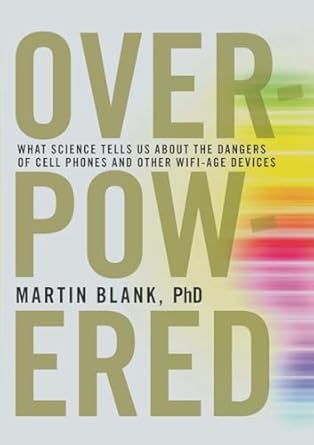
For a comprehensive exploration of EMF health effects and practical protection strategies, explore these books by R Blank and Dr. Martin Blank.