8,700 Studies Reviewed. 87.0% Found Biological Effects. The Evidence is Clear.
Research Guide

Cell Phone Use While Pregnant: What Research Shows

Based on 466 peer-reviewed studies

Share:
At a Glance

Research suggests potential developmental risks from cell phone radiation during pregnancy. Of 1462 studies examining mobile phone effects, up to 79% demonstrate biological impacts. Evidence points to possible effects on fetal development, though more pregnancy-specific research is needed to establish definitive conclusions.

Based on analysis of 466 peer-reviewed studies

Cell phones have become essential tools, but pregnant women often wonder whether using them poses any risk to their developing baby. This concern has prompted researchers to study the relationship between prenatal cell phone exposure and various health outcomes.

Studies have examined cell phone use during pregnancy from multiple angles: maternal cell phone habits, measured radiation exposure, and outcomes ranging from birth weight to childhood behavioral development. The body of research provides important insights for expectant mothers.

Here's what the peer-reviewed scientific literature says about cell phone use during pregnancy.

Key Findings

  • -79% of relevant studies show biological effects from mobile phone radiation exposure
  • -Animal studies suggest prenatal EMF exposure may affect fetal brain development and behavior
  • -Observational studies indicate associations between maternal cell phone use and childhood behavioral problems
  • -Dose-response relationships show increased effects with higher exposure levels and longer usage duration
  • -Research gaps exist specifically examining pregnancy outcomes in humans

What the Research Shows

What the Research Shows

Cell phone use during pregnancy raises important questions about potential developmental effects on the growing fetus. While much of the research focuses on general population effects rather than pregnancy-specific outcomes, the available evidence suggests biological mechanisms that could impact fetal development.

The science demonstrates that radiofrequency radiation from cell phones can cross biological barriers and affect cellular processes. Bianchi A (2005) and colleagues established early connections between mobile phone use and physiological stress responses, while Thomée S (2011) documented sleep disturbances and stress markers that could be particularly concerning during pregnancy when maternal health directly impacts fetal development.

Potential Mechanisms of Concern

During pregnancy, the developing fetus is particularly vulnerable to environmental influences. The rapidly dividing cells of fetal tissue may be more susceptible to radiation effects than mature adult tissues. Research suggests several concerning mechanisms:

Oxidative Stress: Studies indicate that radiofrequency radiation can increase oxidative stress markers in biological tissues. During pregnancy, elevated oxidative stress has been linked to complications including preterm birth and developmental delays.

Blood-Brain Barrier Effects: Animal studies suggest that EMF exposure may affect the developing blood-brain barrier, potentially allowing harmful substances to reach the developing brain more easily.

Hormonal Disruption: Some research indicates that EMF exposure may influence melatonin production and other hormonal systems critical for healthy pregnancy outcomes.

Animal Studies and Developmental Effects

Animal research provides the most direct evidence for potential prenatal effects. Studies in pregnant rats and mice exposed to cell phone-level radiation have shown:

- Altered fetal brain development

- Changes in neurotransmitter levels in offspring

- Behavioral modifications in exposed offspring

- Potential effects on memory and learning capacity

While animal studies cannot be directly extrapolated to humans, they provide important mechanistic insights about potential vulnerabilities during fetal development.

Human Observational Evidence

Large-scale human studies have begun examining associations between maternal cell phone use and childhood outcomes. Some key findings include:

- Possible associations between heavy prenatal cell phone use and childhood behavioral problems

- Potential links to attention difficulties in offspring

- Suggested dose-response relationships where higher usage correlates with increased risk

However, these observational studies face significant limitations including recall bias, confounding factors, and the challenge of accurately measuring historical exposure levels.

Study Limitations and Research Gaps

What this means for you: the research has important limitations that affect how we interpret findings. Many studies examining cell phone effects weren't specifically designed to study pregnancy outcomes. Additionally, technology has evolved rapidly, making it difficult to study long-term effects of current devices.

Key limitations include:

- Limited human studies focused specifically on pregnancy

- Difficulty controlling for other environmental factors

- Rapid changes in cell phone technology and usage patterns

- Challenges in measuring actual radiation exposure levels

Regulatory Perspectives

Most health agencies maintain that current evidence doesn't establish definitive harm from cell phone use during pregnancy. However, several international health bodies have begun acknowledging potential concerns and suggesting precautionary approaches.

The reality is that definitive long-term studies on pregnancy outcomes take decades to complete, and current safety standards were established before widespread smartphone adoption.

Practical Implications

Given the current state of research, many experts suggest a precautionary approach during pregnancy. This doesn't mean avoiding cell phones entirely, but rather using them more mindfully:

- Consider using speakerphone or wired headsets when possible

- Avoid carrying phones directly against the body, especially the abdomen

- Limit lengthy phone conversations when practical

- Use text messaging or airplane mode when appropriate

The evidence shows biological effects are possible, even if we don't yet have definitive proof of specific pregnancy risks. During this critical developmental period, simple precautionary measures may provide meaningful risk reduction without significantly impacting daily life.

Related Studies (466)

Reactive oxygen species elevation and recovery in Drosophila bodies and ovaries following short-term and long-term exposure to DECT base EMF.

Manta AK, Stravopodis DJ, Papassideri IS, Margaritis LH · 2013

Researchers exposed fruit flies to radiation from cordless phone base stations. The flies showed doubled levels of cell-damaging molecules within hours, even at very low radiation levels. This suggests common household wireless devices may cause cellular stress below current safety standards.

Proteomic Analysis on the Alteration of Protein Expression in the Early-Stage Placental Villous Tissue of Electromagnetic Fields Associated With Cell Phone Exposure.

Luo Q, Jiang Y, Jin M, Xu J, Huang HF. · 2013

Researchers exposed pregnant women (about 50 days pregnant) to cell phone radiation for one hour and then analyzed protein changes in their placental tissue. They found significant alterations in 15 different proteins, including those involved in cell growth and nervous system development. This suggests that cell phone radiation may affect early embryonic development during the most vulnerable stage of pregnancy.

2.45 GHz microwave irradiation-induced oxidative stress affects implantation or pregnancy in mice, Mus musculus.

Shahin S et al. · 2013

Researchers exposed female mice to 2.45 GHz microwave radiation (the same frequency as WiFi and microwave ovens) for 2 hours daily over 45 days at very low power levels. The exposed mice showed significantly reduced implantation sites for embryos, along with increased DNA damage in brain cells, elevated stress markers in blood, and disrupted hormone levels. This suggests that even low-level microwave radiation can interfere with reproduction and pregnancy through oxidative stress mechanisms.

Exposure to 1800 MHz radiofrequency electromagnetic radiation induces oxidative DNA base damage in a mouse spermatocyte-derived cell line.

Liu C, Duan W, Xu S, Chen C, He M, Zhang L, Yu Z, Zhou Z. · 2013

Researchers exposed mouse sperm cells to cell phone radiation (1800 MHz) for 24 hours and found that at higher exposure levels (4 W/kg SAR), the radiation caused oxidative DNA damage - essentially cellular rust that can harm genetic material. The damage occurred through reactive oxygen species (free radicals) rather than direct energy breaks, and could be prevented with antioxidants like vitamin E.

The effect of prenatal exposure to 900-MHz electromagnetic field on the 21-old-day rat testicle.

Hancı H et al. · 2013

Researchers exposed pregnant rats to cell phone-level radiation (900 MHz) for one hour daily during late pregnancy, then examined the testicles of their male offspring at 21 days old. The exposed offspring showed significant damage to their developing reproductive organs, including structural abnormalities, increased cell death, and DNA damage that persisted weeks after birth. This suggests that EMF exposure during pregnancy may harm the reproductive development of male offspring.

Maternal mobile phone exposure adversely affects the electrophysiological properties of Purkinje neurons in rat offspring

Haghani M, Shabani M, Moazzami K · 2013

Pregnant rats exposed to cell phone radiation (900 MHz) for six hours daily produced offspring with altered brain function. While the young rats behaved normally, their Purkinje neurons (cells controlling movement and learning) showed reduced electrical activity, suggesting prenatal exposure affects developing brain circuits.

Pyramidal Cell Loss in the Cornu Ammonis of 32-day-old Female Rats Following Exposure to a 900 Megahertz Electromagnetic Field During Prenatal Days 13–21.

Baş O et al. · 2013

Researchers exposed pregnant rats to cell phone frequency radiation (900 MHz) for one hour daily during a critical brain development period and examined their female offspring at 32 days old. They found significant loss of pyramidal neurons in the hippocampus, a brain region crucial for learning and memory. This suggests that prenatal EMF exposure during critical development windows may cause lasting brain damage that persists into later life.

Ozlem Nisbet H, Nisbet C, Akar A, Cevik M, Karayigit MO

Unknown authors · 2012

Turkish researchers exposed young male rats to cell phone frequencies (900 and 1800 MHz) for 2 hours daily over 90 days, starting at just 2 days old. Both frequencies increased testosterone levels and improved sperm quality compared to unexposed rats. The researchers concluded this EMF exposure could trigger early puberty in developing animals.

Reproductive HealthNo Effects Found

The effects of simultaneous combined exposure to CDMA and WCDMA electromagnetic fields on rat testicular function

Unknown authors · 2012

Researchers exposed male rats to combined CDMA and WCDMA cell phone signals for 12 weeks to test effects on sperm production and testosterone. The rats received high-intensity exposure (4.0 W/kg total) for 45 minutes daily, five days per week. The study found no measurable harm to sperm count, hormone levels, or testicular tissue.

Reproductive HealthNo Effects Found

The effects of simultaneous combined exposure to CDMA and WCDMA electromagnetic fields on rat testicular function

Unknown authors · 2012

Researchers exposed male rats to combined CDMA and WCDMA cell phone radiation for 12 weeks to test effects on sperm production and testosterone levels. The study found no observable harmful effects on reproductive function at exposure levels of 4.0 W/kg SAR. This suggests that simultaneous exposure to multiple cell phone technologies may not impair male fertility in this animal model.

Biophysical Evaluation of Radiofrequency Electromagnetic Field Effects on Male Reproductive Pattern

Unknown authors · 2012

This 2013 review examined how radiofrequency radiation from mobile phones affects male fertility, particularly when phones are kept in pockets near reproductive organs. The research found that mobile phone radiation increases harmful reactive oxygen species (ROS) in testicular tissue, leading to decreased sperm count, DNA damage, and hormonal changes that can cause infertility.

Reproductive HealthNo Effects Found

Poulletier de Gannes F et al, (February 2012) Effect of In Utero Wi-Fi Exposure on the Pre- and Postnatal Development of Rats, Birth Defects Res B Dev Reprod Toxicol

Unknown authors · 2012

French researchers exposed pregnant rats to WiFi signals (2.45 GHz) for 2 hours daily throughout pregnancy, testing three different power levels up to 4 W/kg. They found no birth defects, developmental problems, or other harmful effects in either the mother rats or their offspring during 28 days of observation after birth.

Biophysical Evaluation of Radiofrequency Electromagnetic Field Effects on Male Reproductive Pattern

Unknown authors · 2012

This 2013 review examined how radiofrequency radiation from mobile phones affects male fertility and reproductive health. The researchers found that RF exposure, especially when phones are kept in pockets near reproductive organs, increases harmful reactive oxygen species (ROS) that can damage sperm, reduce sperm count, alter hormones, and cause DNA damage leading to infertility.

Reproductive HealthNo Effects Found

Effect of in utero wi-fi exposure on the pre- and postnatal development of rats.

Poulletier de Gannes F et al. · 2012

French researchers exposed pregnant rats to Wi-Fi signals (2.45 GHz) for 2 hours daily during pregnancy to test whether this radiation could harm developing babies. They found no birth defects, developmental problems, or other harmful effects in the rat pups, even at the highest exposure level tested (4 W/kg). This study suggests that Wi-Fi exposure during pregnancy may not cause developmental harm at levels tested.

Radio FrequencyNo Effects Found

Is there any exposure from a mobile phone in stand-by mode?

Mild KH, Andersen JB, Pedersen GF. · 2012

Researchers examined whether mobile phones in standby mode produce meaningful EMF exposure, after several studies claimed standby phones could affect sleep and reproductive health. They found that phones in standby mode only transmit briefly every 2-5 hours for location updates, functioning as passive receivers the rest of the time with essentially no microwave emissions. This means EMF exposure from phones in standby mode is negligible.

Immune SystemNo Effects Found

Prenatal exposure to radiofrequencies: Effects of WiFi signals on thymocyte development and peripheral T cell compartment in an animal model.

Laudisi F et al. · 2012

Italian researchers exposed pregnant mice to WiFi signals (2.45 GHz) at high levels for 2 hours daily throughout pregnancy to study effects on their offspring's immune system development. They found no detrimental effects on T cell development, immune cell counts, or immune function in the offspring at either 5 weeks or 26 weeks of age. This suggests that prenatal WiFi exposure may not harm developing immune systems, though the study used exposure levels much higher than typical human exposure.

Reproductive HealthNo Effects Found

The influence of 1800 MHz GSM-like signals on blood chemistry and oxidative stress in non-pregnant and pregnant rabbits.

Kismali G, Ozgur E, Guler G, Akcay A, Sel T, Seyhan N. · 2012

Researchers exposed pregnant and non-pregnant rabbits to cell phone-like radiation for 15 minutes daily for a week to study potential health effects during pregnancy. While the study found no evidence of oxidative stress (cellular damage from harmful molecules), it did detect changes in blood chemistry markers, particularly enzymes that indicate heart muscle stress. The findings suggest that even brief daily exposure to radiofrequency radiation may affect certain biological processes, especially during pregnancy.

Effect of microwave exposure on the ovarian development of Drosophila melanogaster.

Panagopoulos DJ · 2012

Researchers exposed fruit flies to cell phone radiation (GSM) and found that exposed females developed significantly smaller ovaries compared to unexposed flies. The radiation caused DNA damage and cell death in egg chambers, disrupting normal reproductive development. This suggests that wireless radiation may interfere with reproductive processes in biological systems.

Effects of exposure to electromagnetic field (1.8/0.9 GHz) on testicular function and structure in growing rats.

Ozlem Nisbet H, Nisbet C, Akar A, Cevik M, Karayigit MO · 2012

Turkish researchers exposed young male rats to cell phone frequencies (900 MHz and 1800 MHz) for 2 hours daily over 90 days to study effects on reproductive development. They found that EMF exposure increased testosterone levels and accelerated sperm development compared to unexposed rats. The researchers concluded this electromagnetic exposure may trigger early puberty in developing males.

The use of FDTD in establishing in vitro experimentation conditions representative of lifelike cell phone radiation on the spermatozoa.

Mouradi R, Desai N, Erdemir A, Agarwal A · 2012

Researchers developed a computer model to figure out how far apart cell phones and sperm samples should be in laboratory experiments to accurately mimic real-world conditions, like when a phone is carried in a pants pocket. They found that lab experiments need to place phones 0.8 to 1.8 centimeters farther from sperm samples than the actual distance between a phone and testicles in the body. This research helps ensure that laboratory studies on cell phone radiation and sperm health reflect what actually happens when men carry phones near their reproductive organs.

What This Means for You

  1. Avoid carrying your phone near your abdomen during pregnancy.
  2. Use speakerphone or air tube headphones to keep the phone away from your body.
  3. Limit call duration and prefer texting when possible.
  4. Use a phone pouch to shield radiation when carrying your phone. SYB Phone Pouch

Frequently Asked Questions

The CDC states that there's no scientific evidence that using cell phones causes health problems in people, including during pregnancy. However, they acknowledge that research is ongoing and don't specifically address potential developmental effects on the fetus. The CDC's position reflects current regulatory standards rather than emerging research suggesting potential biological effects.
Research suggests potential concerns but doesn't establish definitive harm. Up to 79% of studies show biological effects from mobile phone radiation, and animal studies indicate possible developmental impacts. However, human pregnancy-specific research remains limited, making it difficult to draw absolute conclusions about harm.
While no official guidelines specify exact distances, research suggests greater distance reduces exposure. Many experts recommend keeping phones at least arm's length from the body when possible, especially avoiding direct contact with the abdomen. Using speakerphone, wired headsets, or keeping phones in bags rather than pockets can help maintain distance.
The American College of Obstetricians and Gynecologists (ACOG) doesn't have specific recommendations about cell phone use during pregnancy. Their guidance generally focuses on established pregnancy risks rather than emerging technologies. ACOG tends to follow FDA and FCC safety assessments, which currently don't identify cell phone radiation as a pregnancy concern.

Further Reading

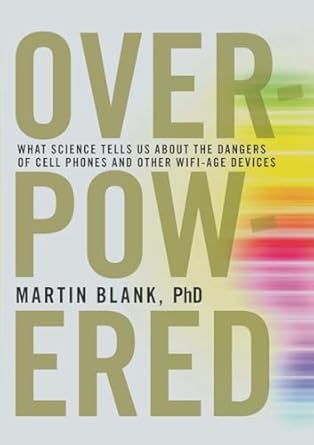
For a comprehensive exploration of EMF health effects and practical protection strategies, explore these books by R Blank and Dr. Martin Blank.